 How Much Do Injectable Fillers Cost?
Jul 23, 2025
Injectable fillers are gel-like substances that are made of hyaluronic acid. They are injected beneath the skin to restore volume, smooth lines, and enhance facial contours. Dermal filers are popular in aesthetic medicine because they offer quick, non-surgical results with minimal downtime.
The average cost of injectable fillers ranges from $600 to $1,200 per syringe. The cost of dermal fillers depends on the type of filler, the area treated, and the provider’s expertise.
Wondering if injectable fillers are worth the cost? At Spa26, we believe that understanding your options is key to getting results you’ll feel good about. Our licensed experts take time to explain every step, from pricing to personalized treatment plans tailored to your goals. Using only FDA-approved products and drawing on years of aesthetic experience, we focus on subtle, natural-looking results. Discover the value behind every syringe. Contact us today at Spa26, your trusted destination for dermal fillers in Beverly Hills.
In this post, we’ll break down the average cost of injectable fillers, the factors that influence pricing, and what to expect during treatment so you can make an informed decision.
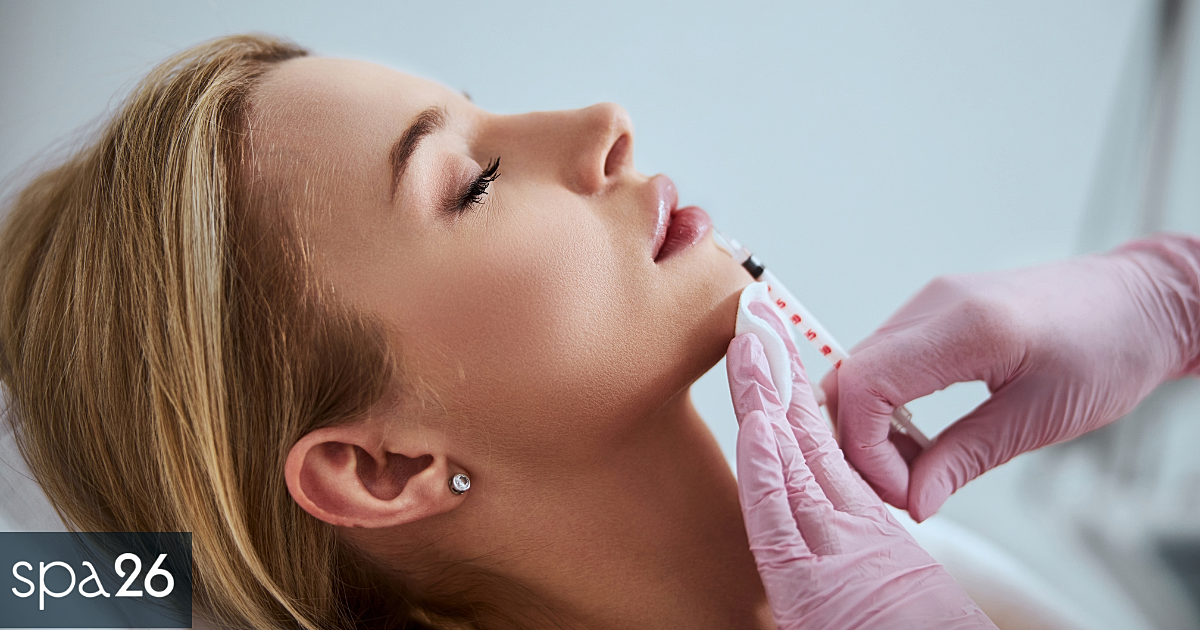
Injectable dermal fillers are gel-like substances used to restore lost volume and smooth fine lines and wrinkles. They are also used to enhance facial features and are employed in procedures such as lip augmentation. Dermal fillers are commonly made from biocompatible materials such as hyaluronic acid, which is a naturally occurring substance in the skin that helps maintain hydration and skin elasticity. The primary purpose of dermal fillers is to rejuvenate the face by addressing signs of aging and adding definition without the need for invasive medical procedures.
There are several popular types of soft tissue fillers, each designed for specific uses and results. Juvederm and Restylane are hyaluronic acid-based dermal fillers widely used for their smooth consistency and versatility. Sculptra is a filler made from a biocompatible substance called poly-L-lactic acid and works differently by stimulating collagen production over time, making it ideal for gradual facial volume restoration. Radiesse is a wrinkle filler made of calcium hydroxylapatite, often used to treat severe facial wrinkles and restore volume in areas with deep lines like the cheeks and jawline.
Common cosmetic treatment areas for dermal fillers include the lips for plumping, cheeks for contouring and lifting, nasolabial folds (the lines that run from the nose to the mouth), and the under-eye area to reduce hollowing or dark circles. Because fillers are highly versatile, they allow practitioners to tailor treatments to each patient’s unique facial structure and aesthetic goals. This customization helps achieve subtle, natural-looking enhancements.
Injectable dermal fillers cost between $500 and $1,500 per syringe. The cost of dermal fillers depends on the product type, treatment area, and provider expertise. Most patients need 1–2 syringes per area, especially during their initial session, with maintenance treatments often requiring less product. Costs can add up over time, but many patients find the long-lasting, natural-looking results worth the investment.
Popular brands vary in price and purpose. For example, Juvederm and Restylane typically cost between $600 and $900 per syringe and are commonly used for lip enhancement, cheek contouring, and smoothing smile lines. Sculptra, which is priced around $800–$1,500 per vial, works gradually by stimulating natural collagen production.
Radiesse usually costs between $700–$1,200 and restores volume immediately while providing collagen support, especially for areas like the jawline and hands. Your provider will help determine the best facial filler and the adequate amount for your goals during a personalized consultation.
The cost of HA fillers varies widely across the United States and is influenced by local demand, cost of living, and the prestige of aesthetic clinics. In high-demand states like California and New York, you can expect to pay between $800 – $1,400, especially in major urban centers like Los Angeles, San Francisco, and New York City, where top-tier providers and luxury clinics are common. Similarly, Washington and Illinois see moderate to high prices, with Seattle and Chicago ranging from $600 up to $1500.
More affordable options are found in states with competitive markets or lower costs of living. Florida, Texas, and Georgia offer injections from $500 – $950. Cities like Miami, Dallas, and Atlanta show price variations depending on location and provider experience. Colorado, especially Denver, also offers mid-range pricing ($500 – $900) while maintaining access to skilled professionals.
At the lower end of the pricing spectrum are states like Arizona and Nevada, where the med spa market is highly competitive. In cities like Phoenix and Las Vegas, prices can range from $450 – $950, depending on the neighborhood and clinic quality. Overall, while geographic location plays a major role in pricing, factors such as provider reputation, clinic setting, and filler type can also impact the final cost.
Pricing of dermal filler treatments depends on the type of dermal filler used, the number of syringes needed, and the provider’s expertise. Here’s a comparison table that shows the average cost of injectable fillers by treatment area.
Treatment Area | Average Cost per Syringe | Purpose |
|---|---|---|
| Lips | $500 – $1,000 | Lip fillers enhance volume, shape, and definition of the lips. |
| Cheeks | $800 – $1,200 | Adds lift, contour, and mid-face volume; often requires more product. |
| Nasolabial Folds | $600 – $1,000 | Softens deep smile lines around the mouth. |
| Under Eyes (Tear Troughs) | $700 – $1,500 | Reduces hollowness and dark circles with precision techniques. |
| Jawline | $800 – $1,500 | Defines jaw contour; may need multiple syringes for symmetry. |
| Chin | $600 – $1,200 | Improves projection and balances the lower face. |
| Marionette Lines | $600 – $1,500 | Smooths lines from the mouth corners down to the chin. |
| Temples | $700 – $1,400 | Fills hollowing in the temples for a youthful appearance. |
| Hands | $700 – $1,600 | Restores lost volume and reduces visibility of veins and tendons. |

The cost of injectable fillers varies widely and depends on several key factors. These include the type of dermal fillers used, the expertise of the provider, and the geographic location of the clinic. Understanding these variables can help you make informed decisions and avoid unexpected expenses during your aesthetic treatment.
Where you live plays a major role in how much you’ll spend on fillers. Urban areas, especially major cities like New York or Los Angeles, tend to have higher costs due to demand, overhead, and competition.
In contrast, clinics in rural areas or smaller cities across the Midwest often offer more affordable pricing for the same treatments.
The cost of a dermal filler can vary greatly depending on who performs the treatment. Board-certified dermatologists or plastic surgeons typically charge more than med spa technicians because of their advanced training, certifications, and ability to manage complications.
A provider with years of experience and a strong portfolio will generally command higher rates. For this reason, many patients are willing to pay for added safety and quality.
Different dermal fillers vary in quality, ingredients, effectiveness, safety, and how long they last. Products like Juvederm, Restylane, or Sculptra come at different price points depending on their composition and longevity.
The area being treated also plays an important role. While the lips may only need one syringe, areas such as the cheeks or jawline often require more to achieve the desired results. Naturally, more volume equals a higher total cost.
Top-rated cosmetic centers often charge more. Their price reflects their brand reputation, luxury environment, and access to cutting-edge technology. These clinics may also exclusively use premium filler brands, which adds to the expense but can enhance results and safety.
Beyond the actual injection, there may be extra costs to consider. Some providers charge a separate consultation fee, especially for first-time patients. Touch-up appointments, aftercare kits, and skincare products, which are recommended post-procedure, can also add to the final bill.
Planning your budget for dermal filler injections starts with understanding how often you’ll need treatments. Different types of hyaluronic acid dermal fillers vary in longevity. Hyaluronic acid fillers like Juvederm fillers typically last 6 to 12 months, while others like Sculptra and Radiesse can last up to 2 years or longer. The frequency of touch-ups or re-treatments plays a major role in your overall cost, so it’s important to factor in the ongoing investment over time rather than just the upfront price.
If it’s your first time getting fillers, your provider may recommend more dermal filler products to achieve your desired look, which can increase the initial treatment cost. This is especially common for areas like the cheeks or lips, where volume building may require multiple syringes. However, once your baseline look is established, maintenance sessions often require less filler and reduce future costs of dermal fillers. Planning for a slightly higher first appointment and lower-cost touch-ups every few months can help you manage expenses more effectively.
Many clinics offer dermal filler packages or memberships for injectable treatments that provide long-term savings and perks. However, these packages often require committing to a provider before seeing results. To budget smartly, consult a licensed expertwho can tailor a plan to your needs and goals.
Injectable fillers are typically not covered by insurance when used for cosmetic purposes. Insurance providers view these treatments as elective. This means they’re not medically necessary, so their overall cost must be paid out of pocket. However, in rare cases where fillers are used to correct medical issues, like facial volume loss from illness or trauma, some coverage might be possible with proper documentation.
For patients concerned about affordability, many clinics offer financing options. Services like CareCredit allow you to spread payments over time, and some providers may also offer in-house payment plans with flexible terms. These options can make treatments more accessible without requiring full payment upfront.
Health Savings Accounts (HSAs) or Flexible Spending Accounts (FSAs) generally don’t cover cosmetic filler treatments. However, if your provider can verify that the procedure is for reconstructive or medically necessary purposes, there may be exceptions. Always check with your benefits administrator before using HSA or FSA funds.
The longevity of injectable fillers depends on the product used and the area being treated. Most hyaluronic acid fillers, such as Juvederm or Restylane fillers, last between 6 and 18 months, while longer-lasting options like Sculptra or Radiesse can maintain results for up to 2 years. Factors such as metabolism, lifestyle, and injection site can also influence how long the effects remain visible.
When comparing cost-effectiveness, fillers offer a relatively affordable option for achieving noticeable, immediate results without plastic surgery. Unlike facelifts or implants, fillers are non-invasive, require minimal downtime, and allow for gradual, customizable enhancements. For many, the combination of lower risk and natural-looking results makes dermal fillers a worthwhile investment.
However, to maintain those results, touch-up treatments are usually needed once or twice a year, depending on the filler and individual goals. Regular maintenance can add up over time, but for patients seeking subtle, reversible enhancements, the flexibility and convenience often outweigh the cost.
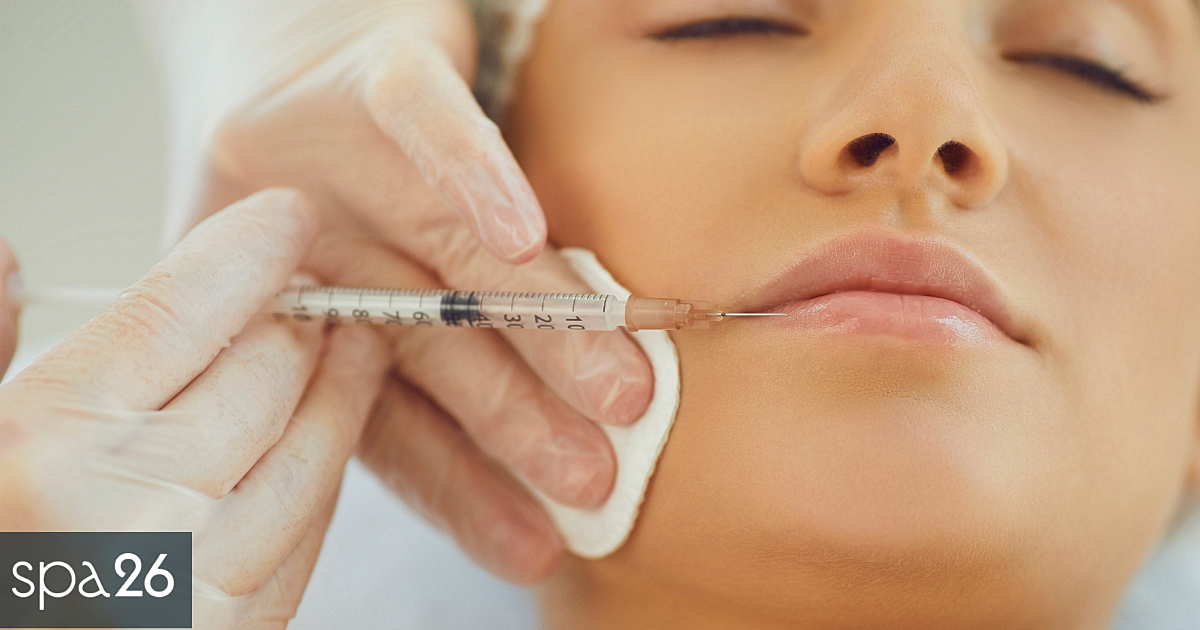
Choosing cheaper fillers might save money upfront, but the risks, especially with unlicensed providers, often outweigh the reward. In the wrong hands, what should be a simple enhancement can lead to serious complications, including infections, lumps, asymmetry, or even vascular occlusion. However, the appeal of a discount vanishes quickly when your safety is compromised.
Aesthetic medicine is both an art and a science, and results reflect the skill and experience of the person providing the service. That’s why board-certified dermatologists and trusted clinics use only FDA-approved fillers to ensure both safety and quality. They also have the expertise to deliver safe, natural-looking results. Because paying for expertise is not just about beauty, it’s also about peace of mind.
Real-life cases abound of patients who sought “budget” filler deals only to end up needing expensive corrective procedures or facing permanent damage. In the world of aesthetics, luxury isn’t just a look; it’s a standard of care. When it comes to your face, it’s worth investing in providers who treat it with the precision, quality, and respect it deserves.
The average cost of injectable fillers ranges from $500 to $1,500 per syringe, depending on the product and the treatment area. Several factors can influence the final price, including your location, the provider’s expertise, the clinic’s reputation, and the type and amount of filler needed. Also, additional costs may come from consultations, follow-up treatments, or aftercare services.
While it’s natural to consider your budget, the quality of your treatment should never be compromised, especially when it comes to facial aesthetics. On the other hand, choosing a qualified, experienced provider ensures safer results and better long-term value, making it a smarter investment than chasing lower prices.
Curious if dermal filler treatments are right for you? At Spa26 in Beverly Hills, our expert injectors deliver natural-looking results with FDA-approved brands such as Juvederm and Restylane. Whether you’re restoring volume or refreshing your look, we tailor each treatment to you. Contact us today at Spa26, the best clinic for natural beauty and your trusted choice for dermal fillers in Beverly Hills.
Do you have more inquiries you would like answered? We’ve provided answers to some of the most frequent questions people have regarding this treatment.
Filler is generally more expensive per syringe than Botox, but Botox may cost less overall depending on the treatment area and number of units needed.
Insurance typically does not cover dermal fillers, as they are considered elective cosmetic procedures.
Yes, fillers typically last longer than Botox, with results ranging from 6 to 18 months compared to Botox’s 3 to 4 months.
When properly administered, dermal fillers can deliver natural-looking results that are nearly impossible to detect.
Injectable fillers can be used to enhance and restore volume in areas like the cheeks, lips, under-eyes, jawline, nasolabial folds, and around the mouth.
Yes, most hyaluronic acid-based fillers can be dissolved using an enzyme called hyaluronidase if you’re unhappy with the results.


Sheila Nazarian is the founder and operator of Spa26. Dr. Nazarian’s Spa26 patients benefit from her numerous qualifications. She has years of training and expertise as a board-certified plastic surgeon. She graduated from Columbia University, where she concentrated in pre-med. She studied medicine and earned her doctor of medicine degree at Albert Einstein College of Medicine at Yeshiva University.

Spa26 offers luxury skincare, anti-aging treatments, and wellness services. Consult with our experienced team at (310) 683-7537.