(310) 683-7537 Book Now

Chemical Peels Beverly Hills

Chemical peels are a professional skin resurfacing treatment that removes damaged outer layers of the skin to reveal a smoother, more radiant complexion. They help reduce fine lines, acne scars, pigmentation, and sun damage while promoting collagen production and healthy skin renewal. Treatments are customized to each patient’s skin type and goals, delivering safe, effective, and long-lasting results with minimal downtime.

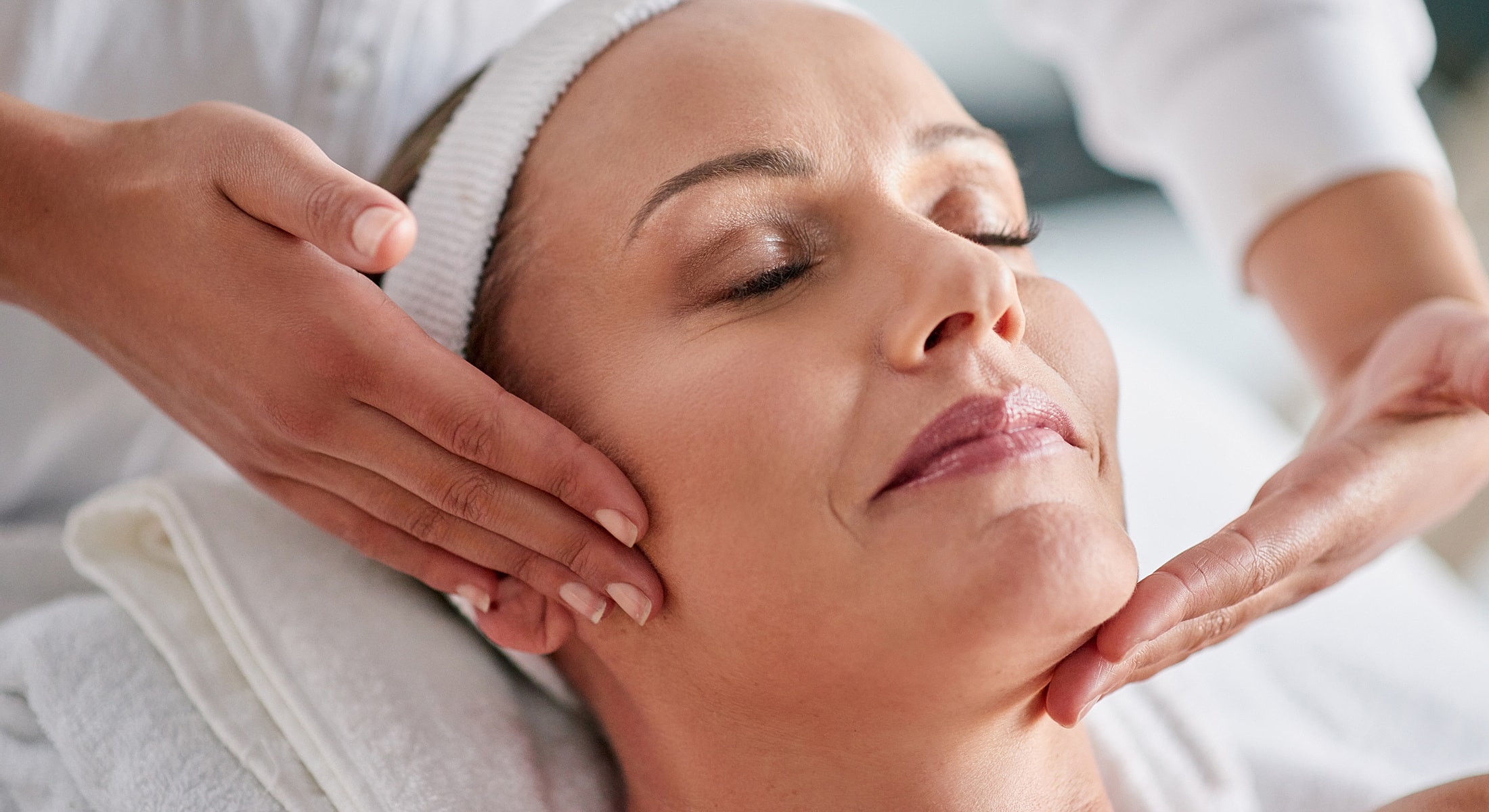
Facial treatment with gentle massage and relaxation.

Chemical Peels exfoliate the skin using a chemical solution of varying strengths to improve texture, tone, and signs of aging. They remove the outermost layers of the skin to reveal new, smooth, more-youthful skin underneath. Peels can reduce acne, scarring, wrinkles, and various forms of skin discoloration.

Treatments are entirely customizable, with three distinct depths (light-deep) to cater to each patient’s cosmetic goals and concerns. Chemical Peels are an excellent option for those looking to rejuvenate their appearance without surgical intervention or significant downtime.

What is a Chemical Peel?

Chemical Peels involve applying a chemical solution to the skin, which removes and exfoliates the top layers, resulting in improved skin appearance. Patients can choose from three different types of Chemical Peels, based on their goals. The number of sessions necessary for optimal results varies depending on the selected peel.

Abstract light and shadow on a smooth surface.

Light Chemical Peel

This superficial chemical peel removes the outermost layer of skin to improve acne, fine wrinkles, and uneven skin pigmentation. Results initially last 1-2 months and up to 6 months with consistent treatment.

Abstract light and shadow on a smooth surface.

Medium Chemical Peel

This chemical peel removes the outermost skin layers and the middle layer’s upper portion. Ideal for reducing acne scars, deeper wrinkles, and uneven skin tones. Results can last 2-4 months at the beginning and up to 6 months after repeated treatments.

Abstract light and shadow on a smooth surface.

Deep Chemical Peel

The deep chemical peel yields the most drastic results, penetrating deeper skin cells and improving the appearance of deeper wrinkles, scars, freckles, and age spots. A single treatment can produce results that endure for up to ten years.

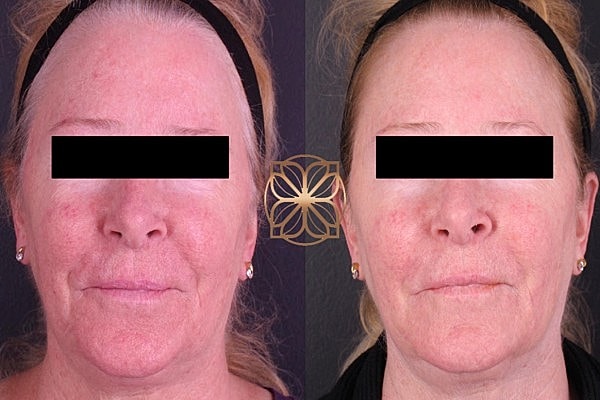
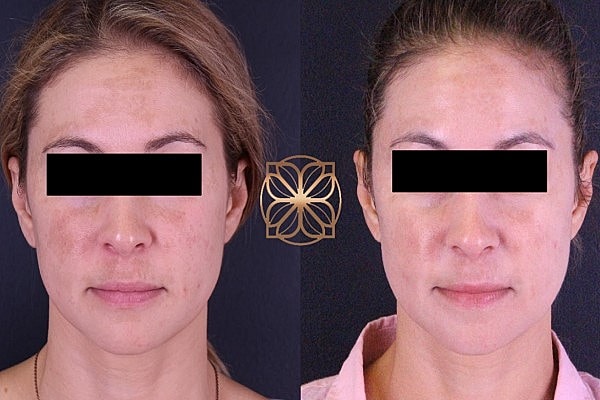
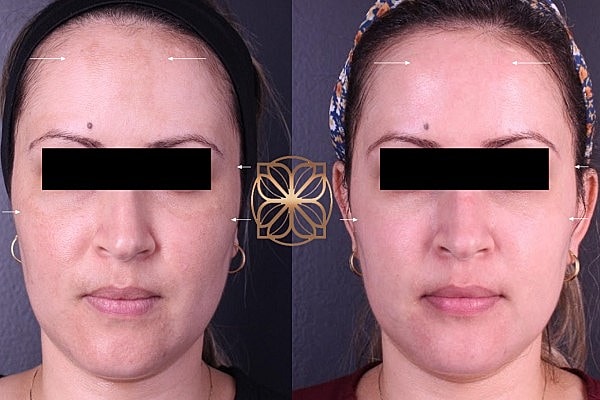
Chemical Peel Before and After

Chemical Peel Treatment Options

At Spa26, we offer three specific peel treatments:

Abstract wavy white texture pattern background.

Purity Peel

This medium complexion peel clears breakouts and discoloration associated with acne. The peel formula features skin-clearing boosters of benzoyl peroxide, kojic acid, and hydrocortisone.

Abstract wavy white texture pattern background.

Pure Peel Plus

A transformative medium peel that combats the signs of aging and discoloration, including melasma. Boosters of hydroquinone and kojic acid produce a more even skin tone. Patients may combine the Purity Peel and the Pure Peel Plus with dermal fillers and neuromodulators to enhance results.

Abstract wavy white texture pattern background.

PowerPeel

The PowerPeel is considered the grand slam of all medical-grade peels and does not require any anesthesia. It prevents and eliminates discoloration, such as post-inflammatory pigmentation, freckles, age spots, and melasma.

Non-surgical buttock augmentation promotional image.
White play button on a transparent background

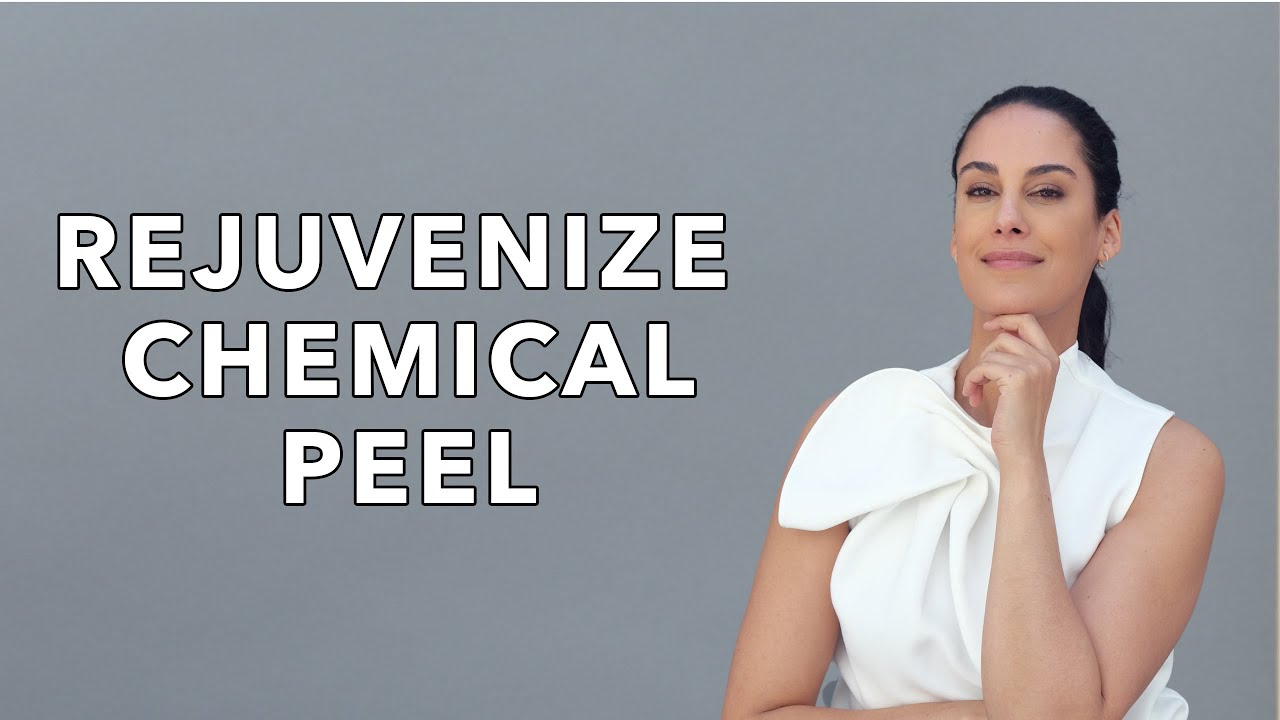
Rejuvenize Chemical Peel

The PowerPeel combats the signs of aging, acne, scars, spots, fine lines, and wrinkles while restoring luminosity and hydration. These peels can enhance overall skin health. Active ingredients include hydroquinone 8%, retinoic acid, azelaic acid, kojic acid, arbutin, phytic acid, and ascorbic acid.

Black and white photo of clover leaves.

Chemical Peel Benefits

Chemical Peels diminish the signs of aging and minor imperfections by removing damaged layers of skin to reveal a smoother, glowing appearance. Peels are highly customizable to serve each patient’s specific skin concerns. Light and medium peels are long-lasting and make a great addition to any skincare routine. One deep peel treatment delivers indefinite results.

What Results to Expect

  • Smoother Skin
  • Balanced Texture
  • Improved Lifted Appearance
  • Reduced Wrinkles & Fine Lines
  • Even Skin Tone
  • Reduced Age Spots and Freckles (Deep Peel)
  • Reduced Pore Size
  • Treats Acne and Acne Scars
  • Reduced Sun Damage
  • Brighter Complexion
  • Improvement in Discoloration
  • Non-Surgical
  • Non-Invasive

How Long Will Results Last?

The duration of results depends upon peel strength (light-deep):

  • Light Chemical Peels provide optimal results for 1-2 months.
  • Medium Chemical Peels last two to four months. Both light and medium peels can last up to 6 months with consistent treatments.
  • Deep Chemical Peels only require one session for results lasting up to ten years.
Spa 26 Icon

Chemical Peel Cost & Pricing Structure

The cost of chemical peels treatment varies depending on peel selection and the treatment area(s). Light peels are less expensive than deeper peels but require more sessions to yield optimal results. Consult with an experienced practitioner to determine which peel is best for you.

  • US National Average: $150-$3,000
  • Our Price: $300-$1,350
  • Additional Costs: Additional costs may include anesthesia or in-patient stay if the procedure or patient requires it.
  • Insurance: Most insurance companies do not cover cosmetic procedures. We offer a variety of payment options for your convenience.
Woman in black leggings outdoors, focused on legs.

Chemical Peel for Melasma and Hyperpigmentation

Melasma and hyperpigmentation can be stubborn because the pigment often sits deeper than patients expect. A good chemical peel helps by loosening damaged outer layers, speeding up cell turnover, and encouraging clearer skin to move up to the surface. For patients dealing with uneven skin tone, dark spots, post-inflammatory marks, or sun damage, chemical peel treatments can be a useful part of a broader pigment plan.

That said, not every peel is right for every case of melasma. Heat, irritation, and the wrong formula can make pigment rebound, especially in patients with darker skin tones or skin that reacts easily. This is why treatment selection matters. At Spa26 in Beverly Hills, we look at your skin type, the depth of the discoloration, your history with sun exposure, and whether your pigment tends to flare with hormones, inflammation, or aggressive skincare. In many cases, medical-grade chemical peels with ingredients like kojic acid, hydroquinone, lactic acid, or trichloroacetic acid are chosen based on how much correction the skin can tolerate.

Patients often ask whether one peel is enough. Sometimes you will see a brighter, more even tone after one session, but melasma usually responds best to a series of treatments plus strict sun protection and smart maintenance at home. Pigment is one of those skin concerns that likes to come back when people get casual with SPF. The goal is not to push the skin into irritation. The goal is steadier correction, healthier skin, and a more even tone that holds.

Abstract white wave pattern background texture.

Chemical Peels for Acne and Acne Scars

For acne-prone skin, a peel can do two useful things at once. It helps clear congestion in the outermost layer of the skin, and it improves the post-acne marks and rough texture that breakouts tend to leave behind. That is why chemical peels Beverly Hills patients choose for acne often focus on both active blemishes and the skin damage left after the breakout is gone.

Superficial and medium peels can help treat acne, reduce excess oil, and clear out dead skin cells that trap debris inside the pores. Ingredients like salicylic acid, glycolic acid, and other alpha hydroxy acids or beta hydroxy acids are often used for this reason. For patients with acne prone skin, those acids can improve skin texture, reduce blackheads, and calm the cycle of clogged pores that keeps inflammation going. If acne scars are also part of the picture, medium peels may help soften post-inflammatory marks and improve mild textural irregularities over time.

Acne scars are a separate conversation from active acne. A peel can brighten discoloration and smooth some uneven texture, but deeper pitted scars may need a different plan or a combination approach. In some cases, we pair peels with treatments like Microneedling or HALO Fractionated Resurfacing, depending on the scar pattern and how much downtime makes sense for the patient. The key is choosing a treatment that matches the type of scar. Brown marks, red marks, rough texture, and true indentations do not all respond the same way.

Chemical Peel vs. Microneedling vs. Laser

These treatments all improve the skin, but they do it in different ways. A chemical peel works by applying a chemical solution to exfoliate damaged skin cells and remove the dull outer layers. That makes it a strong option for uneven skin tone, rough texture, acne, enlarged pores, and mild pigment issues. It is often one of the easiest ways to reset the surface of the skin when it looks congested, tired, or blotchy.

Microneedling works differently. Instead of exfoliating with acids, it creates controlled micro-injuries in the skin to stimulate collagen production. That makes it a good choice for texture, early acne scars, fine lines, and skin that needs more support from within. Patients who want help with crepey texture or mild laxity often do well with microneedling because it can trigger collagen without removing as much of the surface. If the concern is more about tone and pigment than firmness, a peel may be the better first step.

Laser treatments such as HALO Fractionated Resurfacing can penetrate deeper and are often chosen when the skin needs a more intensive resurfacing treatment. Lasers can address sun damage, deeper wrinkles, stubborn discoloration, and more advanced textural concerns. They also tend to involve more downtime and more planning. The right choice comes down to your skin type, your tolerance for recovery, and what you are trying to fix. Some patients need exfoliation. Some need collagen. Some need both. That is where a consultation helps narrow it down.

Black and white leaves with soft shadows.

Preparation for Chemical Peels

Preparation has a direct effect on how evenly a peel works and how well the skin heals after treatment. Patients usually do best when the skin is calm going in. Too much recent sun exposure, exfoliation, waxing, or strong active skincare can leave the barrier irritated before the peel even starts. When that happens, the skin is more likely to sting harder, peel unevenly, or develop lingering redness.

Depending on the peel and your skin concerns, your provider may ask you to stop retinoids, acne medications, or other exfoliating products for several days before treatment. Some patients may also be placed on a pigment-prep routine, especially if they are treating melasma, post-inflammatory marks, or have a history of hyperpigmentation. This is common with medical-grade peel plans because prep can reduce the risk of irritation and help the skin respond more evenly.

It also helps to think about timing. If you have a wedding, trip, major event, or a week packed with sun and outdoor plans in Beverly Hills, that may not be the best window for a peel. Even light peels can leave the skin dry, flaky, or pink for a few days. Medium chemical peels and deep chemical peels require more planning. The skin heals best when you can protect it, hydrate it, and give it a little space.

Improve your skin texture and reduce signs of aging with Chemical Peels!

Abstract wavy pattern in soft white tones

How Chemical Peel Works

A chemical peel treatment is relatively simple and takes place in-office. Preparation and aftercare may differ slightly depending on the strength of the peel. Before treatment, your provider will clean the area and provide proper eye protection to ensure optimal safety and effectiveness.

There are a few conditions the practitioner may request the patient follow before the procedure to aid with the healing process and reduce side effects.

Spa 26 Icon

Before & Preparation

  • Consult a provider to determine which peel works best for you and what to expect during the procedure.
  • Your provider may instruct you to use a retinoid cream or bleaching agent the weeks before treatment to assist with healing and reduce side effects.
  • You may need to take antiviral medication before treatment.
  • Avoid direct sun exposure to reduce the risk of abnormal pigmentation.
  • Avoid certain types of hair removal (waxing, laser) and cosmetic treatments a week before treatment.
  • Avoid exfoliating the treatment area for at least a week before treatment.
  • Stop the use of anti-aging or anti-acne medications.
  • Stay hydrated
  • Avoid smoking
  • Arrange a ride home if your treatment requires sedation.
  • Arrive at your appointment with a clean face, free of makeup.
Woman walking up stairs in fitted jeans.

During the Procedure

Black leaves with shadows on a dark background.

Light Peel

  • Your provider will apply the solution (glycolic or salicylic acid) to the treatment area using a brush, cotton ball, or sponge.
  • You may experience a mild stinging sensation while the chemical is present.
  • Your practitioner will use a wash or neutralizing solution to remove the peel from the treatment area.
  • No painkillers are necessary after treatment.
Black leaves with shadows on a dark background.

Medium Peel

  • Medium Chemical Peels require a slightly harsher solution (trichloroacetic and glycolic acid). Your provider will apply the solution using gauze or a cotton-tipped applicator.
  • Your provider may apply a cool compress or utilize a fan to cool the skin during treatment.
  • A neutralizing solution is not required.
  • A stinging, burning sensation is expected following the session and may last up to 20 minutes.
  • Your provider may prescribe pain medication to reduce discomfort after treatment.
Black leaves with shadows on a dark background.

Deep Peel

  • Your provider will administer intravenous (IV) fluids and monitor your heart rate throughout the treatment.
  • Your provider will apply the solution (typically phenol) to the skin using a cotton-tipped applicator.
  • Your provider will conduct the treatment in 15-minute intervals to limit your exposure to the intense phenol solution.
  • The practitioner will apply a surgical dressing and prescribe pain medication to reduce discomfort post-treatment.

Aftercare & Recovery

  • The peeling that occurs as a result of the therapy might take 7-10 days to entirely slough from the skin.
  • The patient can expect to see redness, mild irritation, and tightness following the procedure.
  • A medium peel can result in swelling and stinging in the treatment area.
  • A deep peel will be accompanied by burning and throbbing. The patient can expect to see new skin develop about two weeks post-op, with redness lasting up to a few months.
  • Wash your face with cool water.
  • Ensure to stay hydrated and keep the skin moisturized.
  • Avoid strenuous exercise, saunas, or steam rooms.
  • Use gentle skincare products and do not over-exfoliate.
  • Do not touch, pick or scratch at the skin.
  • Avoid other cosmetic treatments for at least two weeks to give the skin time to heal.
  • Use proper sun protection to ensure optimal results.
Spa 26 Icon

Treatment Areas

Chemical Peels combat skin afflictions such as dry or scaly skin, uneven texture and tone, wrinkles, and discoloration on multiple body areas, including:

  • Face
  • Neck and Chest
  • Hands
  • Arms and Legs
  • Back
Close-up of a leg and hand in sunlight.

Improve your skin texture and reduce signs of aging with Chemical Peels!

Post-Peel Skincare Routine

What you do after a peel matters almost as much as the peel itself. Freshly treated skin is more vulnerable to irritation, heat, and UV exposure while the peeling process is underway. The goal of post treatment care is simple: keep the skin clean, supported, and protected while the new skin comes in.

For the first several days, stick with a gentle cleanser, a plain moisturizer, and diligent SPF. This is not the time for scrubs, acids, retinoids, or aggressive actives, even if you use them all the time. Let the skin finish shedding on its own. Picking at flaking skin can interrupt healing, increase inflammation, and leave behind post-inflammatory marks that take longer to fade than the original issue. Patients sometimes think they are helping when they start rubbing off loose skin. They are not.

Once the skin has settled, your provider may guide you back into a maintenance routine that supports skin health, pigment control, and collagen production. That may include vitamin C, pigment inhibitors, barrier-supporting moisturizers, or a retinoid if your skin tolerates it. The right skincare after a peel helps protect your results, maintain a more radiant complexion, and keep rough texture, uneven tone, and breakouts from creeping back in.

Textured white abstract wave pattern background.

Am I a Good Candidate?

A chemical peel may benefit those looking to rejuvenate the skin and reduce abnormal pigmentation, acne, fine lines, and wrinkles. Deep Chemical Peels may be a good fit if you would like to address extensive sun damage or certain precancerous growths. The value of a consultation with a healthcare provider is essential to establish expectations.

You may not be a good candidate if you:

  • Are prone to cold sores;
  • Take medication with isotretinoin (in the past six months);
  • Are pregnant;
  • Have extra oily or bulging skin;
  • Have increased pigmentation around scars;
  • Have abnormal scarring

Similar & Related Procedures

  • Diamond Glow Microdermabrasion: This non-invasive procedure utilizes a diamond tip wand to remove dead skin cells and improve the appearance of discoloration, fine lines, and acne. It simultaneously exfoliates, extracts, and infuses the skin with nourishing serums.
  • Microneedling: Microneedling is a procedure that uses tiny needles to prick the skin, inducing natural collagen and elastin production. The treatment creates a more youthful appearance and aids in healing the skin.
  • Dermaplaning: Dermaplaning is a skin resurfacing procedure that uses a blade to scrape hair and dead skin cells from the skin’s surface. It helps to reduce fine lines and acne scarring.
  • Halo Fractionated Resurfacing: This treatment uses ablative and non-ablative laser wavelengths to remove the top layer of skin to improve skin texture and tone.
  • Gold Tip Facial: Gold Tip Facial is a treatment in which a small vial with 24-karat gold plated microneedles distributes a customized serum to the outermost layers of the skin. This facial helps to improve texture, reduce signs of aging, calm irritation, and hydrate the skin.

Chemical Peel vs. Diamond Glow Microdermabrasion

Chemical Peels and microdermabrasion can work well together to enhance your treatment results.

Chemical Peel

Diamond Glow Microdermabrasion

Mechanism of action:

Exfoliates with a chemical solution

Exfoliates and extracts with a diamond tip wand

Duration of Results:

Light- 4 weeks, Medium- 6-12 months, Deep- 10 years

4-6 weeks

Recovery Time:

2 weeks

1 day

Optimal Results in:

Up to 2 weeks

Instantly

Duration of Procedure:

30-90 minutes

30-45 minutes

Stimulates Collagen Production:

Yes

Yes

Side Effects & Risks

Chemical Peels can have some inherent risks. Deep Chemical Peels may induce more side effects than a medium or light peel.

  • Peeling Skin
  • Redness
  • Scarring
  • Skin Color Alterations
  • Infection
  • Heart, Kidney, and Liver Damage

Chemical Peel

Reviews

“I’ve had great experiences with Dr. Nazarian. About 2 years ago, she recommended a TCA chemical peel and I got tremendous results. I recently had Botox and fillers and they look amazing. I also recommend the skincare line that she sells in her office (I’ve tried them all). I totally trust her and will be back!!!”

– Hilary M.Chino, CA

Dark leaves with shadows in a minimalist background.

Improve your skin texture and reduce signs of aging with Chemical Peels!

Chemical Peel Frequently Asked Questions

A chemical peel exfoliates and improves the texture and uniformity of your skin tone and fights fine lines and acne. This procedure treats a range of skin afflictions and reveals glowing, healed skin underneath.

A light chemical peel can last 1-2 months, while the medium peel lasts up to 2-4 months. A deep peel can last up to 10 years, especially if the client takes care to protect their skin from sun damage.

Improvement in skin texture and tone are noticeable after one treatment. It takes about two weeks for the skin to heal completely after a deep peel, whereas it will take approximately five days for a medium peel to heal.

Side effects can include irritation, redness, skin pigmentation, and scarring. The more severe side effects include infection, heart, liver, and kidney damage.

A chemical peel can combat skin imperfections, including fine lines, wrinkles, discoloration, acne, and scarring. It is an effective tool to rid the face of blackheads and other forms of acne.

Yes, but the timeline depends on which peel you receive. You can wear makeup as soon as the next day with a light peel, while medium peels require a clean face for five days during the healing process. Wait two weeks before applying makeup after a deep peel.

It is best to avoid direct sun after a peel. Freshly treated skin is more prone to irritation and abnormal pigmentation, especially if you are treating melasma or hyperpigmentation. Daily SPF and sun protection are important if you want your results to hold.

It can be, but peel selection matters. Patients with darker skin tones may be more prone to post-inflammatory pigmentation if the peel is too aggressive. A consultation helps determine which formula and strength make sense for your skin type.

Picking can slow healing, increase redness, and raise the risk of scarring or pigment changes. Let the skin shed on its own and follow the post-treatment instructions you were given.

Many patients prefer fall or winter because it is easier to avoid heavy sun exposure, but chemical peels in Beverly Hills can be done year-round if you are disciplined about SPF, hats, and avoiding direct sun while healing.