 What Is a Wrinkle Relaxer and How Does It Work?
Aug 19, 2025
Wrinkle relaxers are injectable treatments that temporarily smooth wrinkles by relaxing facial muscles. People seek these treatments to minimize dynamic wrinkles, which are caused by facial expressions like smiling or frowning. Popular wrinkle relaxer treatments include Xeomin, Dysport, Botox, and Jeuveau, all of which temporarily relax facial muscles to smooth fine lines and wrinkles, ultimately promoting a smoother, more youthful appearance.
You might wonder how wrinkle relaxers like Xeomin and Dysport can help you achieve a more youthful appearance. At Spa26, our skilled team uses cutting-edge wrinkle relaxer treatments, customized to your beauty goals, to ensure your results look natural. With our proven expertise and personalized approach, you can trust us to deliver safe and effective care. Contact us today and start your journey to smoother, more radiant skin.
This post explains what wrinkle relaxers are, how they work to smooth fine lines, and what to expect from the treatment process.
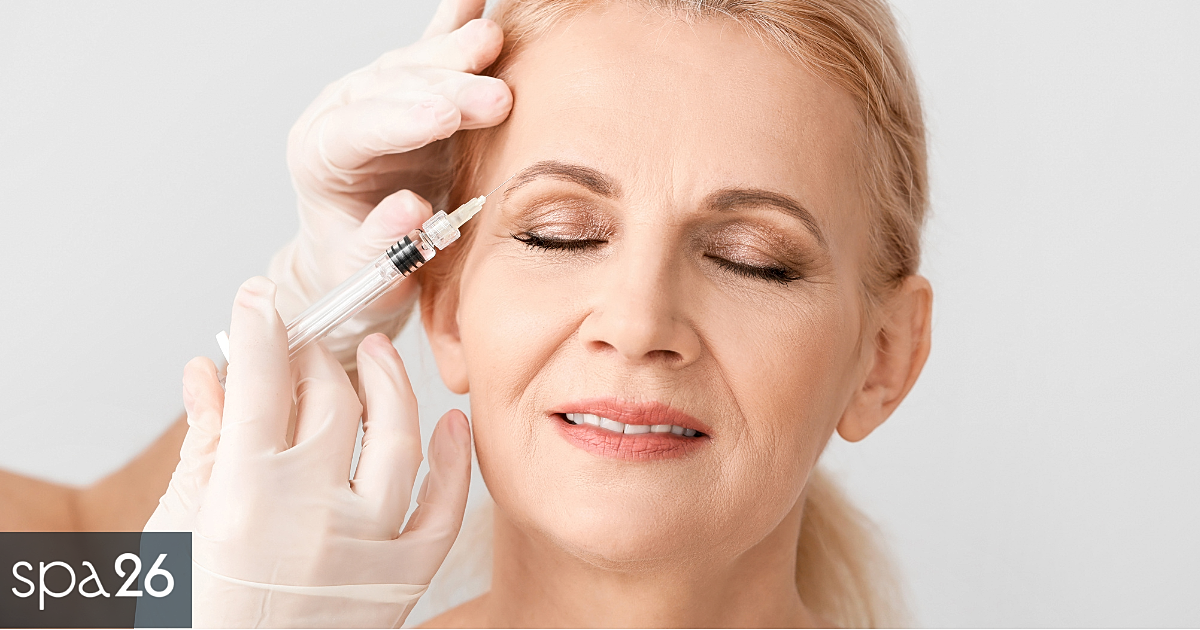
Wrinkle relaxers are injectable treatments designed to smooth fine lines and reduce the appearance of aging by temporarily relaxing specific facial muscles. These treatments work by blocking nerve signals that cause muscle contractions. This action softens the skin above those muscles and prevents new wrinkles from forming.
These treatments are most effective for dynamic wrinkles, which develop from repeated facial expressions like frowning or squinting. While wrinkle relaxers don’t erase static wrinkles that are visible at rest, they can help prevent those wrinkles from worsening over time.
One of the advantages of wrinkle relaxers is their quick and minimally invasive nature. They are often completed in under 30 minutes with minimal downtime. This advantage makes wrinkle relaxers an attractive option for individuals seeking noticeable results with minimal recovery and no need for surgery.
They offer a temporary but highly effective way to reduce fine lines and wrinkles, particularly those caused by repeated facial movements. With consistent use, wrinkle relaxers can also have preventative effects, helping slow the development of new wrinkles and keeping the skin looking smoother over time.
Beyond cosmetic improvements, wrinkle relaxers may also provide medical benefits. They are commonly used to help manage conditions such as chronic migraines, excessive sweating (hyperhidrosis), and even jaw clenching, making them a versatile treatment option.
Several FDA-approved wrinkle relaxers are available today, and each is designed to smooth dynamic wrinkles caused by repeated facial movements. While all wrinkle relaxers work by temporarily relaxing targeted muscles, their different formulations and subtle differences enable providers to customize treatments according to individual needs and aesthetic goals.
Botox, which is derived from a purified form of botulinum toxin, has been used safely and effectively since the late 1980s. Botox functions by obstructing nerve signals to the muscles, thereby softening fine lines such as crow’s feet, frown lines, and forehead lines. It is frequently regarded as the benchmark in aesthetic medicine.
Dysport is similar to Botox but has a slightly different formulation that allows it to spread more easily in larger areas like the forehead. Many patients find that Dysport injections produce faster results, making it a preferred option for those seeking quicker improvements with a natural appearance.
Xeomin is distinguished as a pure neurotoxin. This means it does not contain added proteins or additives. This purity reduces the risk of developing resistance, making it a strong choice for patients seeking long-term wrinkle relaxer treatments. Emerging alternatives, such as Jeuveau (nicknamed “Newtox”), are also gaining popularity, giving patients more options to achieve smooth, youthful-looking skin.
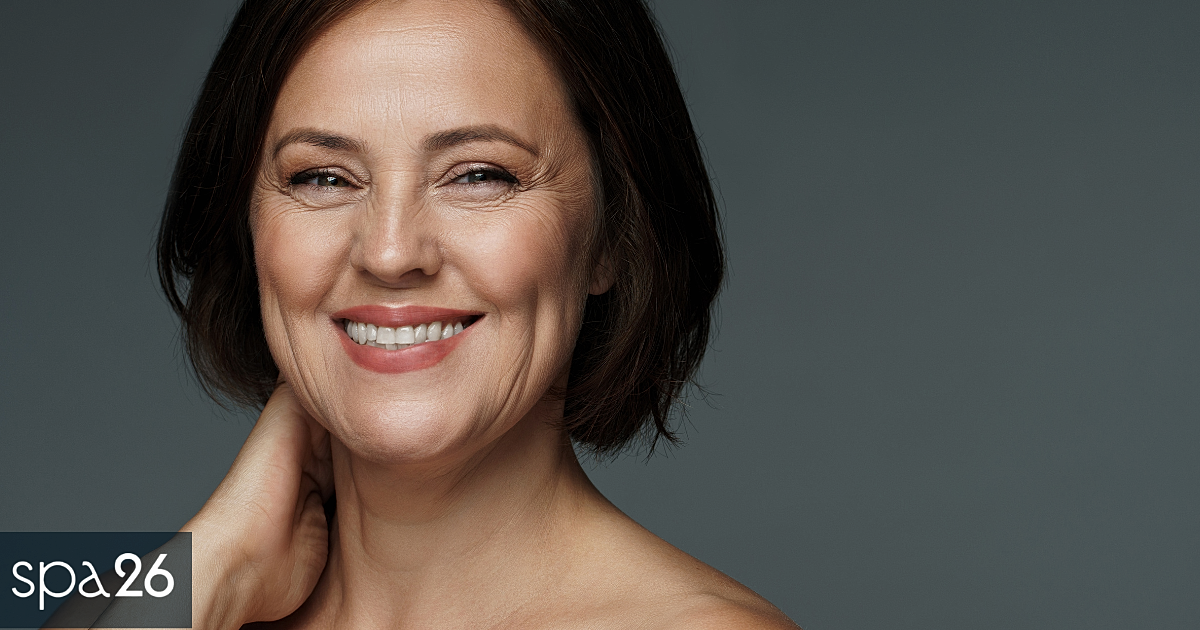
Good candidates for wrinkle relaxers are typically adults in their late 20s to 60s. They usually have dynamic wrinkles caused by facial expressions such as frowning, squinting, or smiling. These treatments work well for most skin types, especially those looking to achieve smoother skin and prevent deeper lines from forming.
However, wrinkle relaxers may not be suitable for individuals who are pregnant, breastfeeding, have certain neuromuscular conditions, or have allergies to the ingredients. During a consultation, your provider will review your medical history, evaluate your skin’s health, and discuss your goals to determine if the treatment is right for you. This process ensures realistic expectations and a personalized plan tailored to your needs.
Before a wrinkle relaxer treatment, your provider may advise avoiding alcohol, blood-thinning medications, or certain supplements to minimize bruising. The procedure itself is quick and straightforward, involving a series of small injections into targeted facial muscles. Most patients report only mild discomfort during the process, often described as a brief pinching sensation.
After the treatment, patients may notice slight redness or swelling at the injection sites. While these potential side effects typically resolve within a few hours, they are important to be aware of. It’s recommended to avoid rubbing the treated area, lying down flat, or engaging in strenuous exercise for the first 24 hours. Following your provider’s aftercare instructions helps ensure the best and safest results.
After receiving wrinkle relaxer injections, most patients begin to notice smoother skin and reduced wrinkles within three to seven days, with full results visible after about two weeks. This gradual onset allows the treatment to look natural as the muscles gently relax.
The effects of wrinkle relaxers typically last between three to four months, though some patients may experience results lasting up to six months, depending on the product used and individual response. As the effects wear off, muscle movement gradually returns, and repeat treatments are needed to maintain results.
Longevity can vary based on several factors, including metabolism, dosage, lifestyle habits, and the area treated. To sustain optimal results, most providers recommend scheduling follow-up treatments every three to four months, adjusting timing as needed for your skin’s unique response.
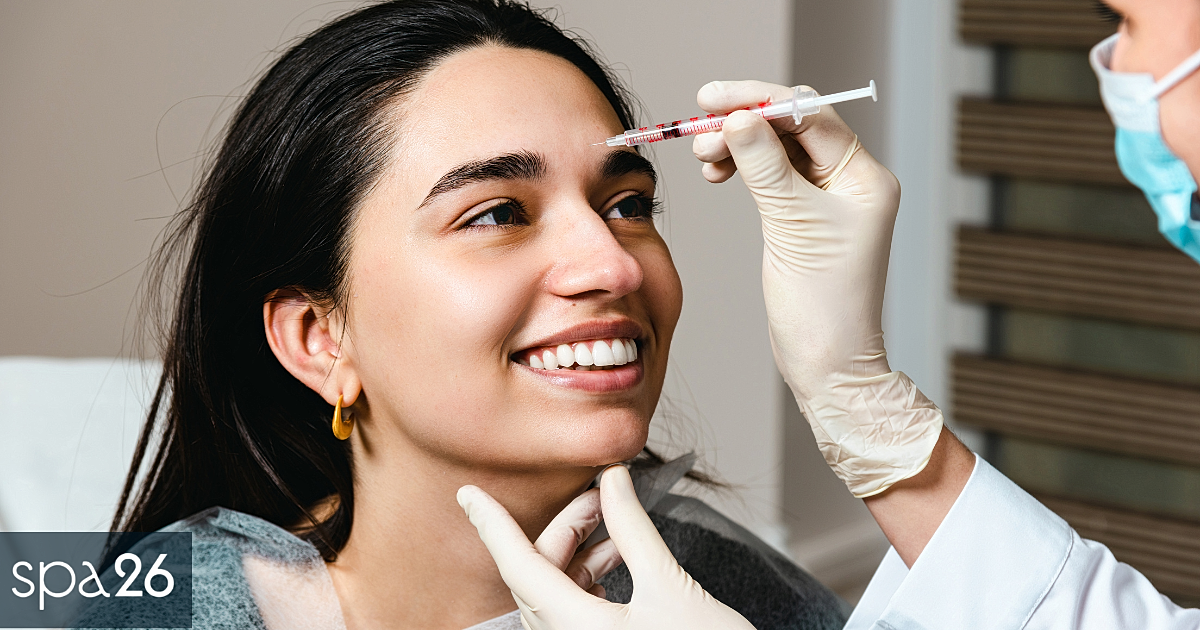
Wrinkle relaxer injections are generally safe, but some mild side effects are common and usually temporary. These can include redness, swelling, bruising, or slight tenderness at the injection sites, which typically resolve within a few days without further treatment.
In rare cases, more serious complications may occur, such as drooping eyelids, uneven results, or allergic reactions. Choosing a qualified and experienced provider is essential, as proper technique and medical expertise greatly reduce these risks and ensure safe, effective outcomes.
Minimizing risks with wrinkle relaxers begins with choosing a qualified, experienced medical professional who has proper training in cosmetic injectables. Always verify the clinic’s reputation and credentials to ensure you’re in safe hands.
Preparation plays an important role as well. Follow all pre-treatment instructions carefully, such as avoiding blood thinners, alcohol, or certain medications that could increase the risk of bruising. Be open with your provider about any allergies or medical conditions to prevent complications.
After the procedure, it’s important not to touch or massage the treated areas, as this can cause the product to spread to unintended muscles. Following your provider’s aftercare instructions, including proper sun protection, will greatly reduce the likelihood of unwanted side effects.
Finally, attend all scheduled follow-up appointments so your provider can monitor your progress and make adjustments if needed. If you experience any unusual symptoms, report them immediately to ensure quick and effective treatment.
Wrinkle relaxers work by targeting the underlying muscle movements that cause dynamic wrinkles and creases across the entire face, such as frown lines or crow’s feet. By temporarily blocking nerve signals, they soften these lines, providing smoother skin with minimal downtime.
Dermal fillers, on the other hand, address static wrinkles and facial volume loss by adding fullness to areas like the cheeks, lips, or smile lines. They deliver longer-lasting results but may involve slightly more recovery time compared to wrinkle relaxers.
Laser treatments and chemical peels focus on improving skin quality by stimulating collagen production or exfoliating damaged layers. These methods can refine texture, reduce pigmentation, and promote overall skin renewal, though they often require multiple sessions and a short healing period.
For many, the best outcomes come from combination treatments that target different aspects of the aging process. Pairing wrinkle relaxers with fillers, lasers, or peels can enhance results and provide a more comprehensive approach to reducing wrinkles and creases while maintaining a youthful, refreshed look.

The cost of wrinkle relaxers typically ranges between $300 and $600 per treatment area, though prices can vary based on how many units are needed and the specific product used. Factors such as your geographic location, the expertise of the provider, and whether you choose Botox, Dysport, or Xeomin can also influence the final price.
Since wrinkle relaxers are considered cosmetic, insurance does not usually cover the expense, unless they are being used for approved medical purposes like treating migraines or excessive sweating. Many clinics, however, offer financing options or membership programs to make treatments more affordable and accessible over time.
Choosing the right wrinkle relaxer starts with assessing your skin concerns and aesthetic goals, such as reducing forehead lines, softening crow’s feet, lifting the eyebrows, or achieving a more youthful, refreshed appearance. Some people may want to soften fine lines or severe frown lines, while others may be looking for a preventative treatment to slow wrinkle formation. Knowing your priorities will help guide your options.
A professional consultation is essential, as your provider can evaluate your skin type, muscle activity, and goals to create a personalized treatment plan. During this process, you should ask questions about the different products available, how long results last, and what kind of outcomes you can realistically expect.
It’s also important to watch for red flags when selecting a provider. It is advisable to choose clinics that use FDA-approved products, offer transparent pricing, and take the time to discuss potential risks before making a decision. A qualified, experienced professional will prioritize safety and ensure your treatment aligns with your needs.
Wrinkle relaxers work by temporarily relaxing targeted muscles to soften dynamic wrinkles, providing quick, minimally invasive results that help you achieve a smoother, more youthful appearance. When performed by a skilled professional, they are a safe and effective way to refresh your look without surgery, though results are not permanent and require periodic maintenance.
Consulting with a qualified provider ensures you receive the best cosmetic procedures for your skin and aesthetic goals. By reaching out today, you can get expert guidance, personalized treatment plans, and the confidence of knowing your results will look natural and enhance your overall appearance.
Looking for a safe and effective way to achieve a more youthful appearance? At Spa26, the best medspa clinic, our board-certified experts specialize in wrinkle relaxers and personalized care to help you look and feel your best. Don’t wait, take the first step toward refreshed, natural-looking results. Book your consultation today.
If you’re considering wrinkle relaxers, you likely have questions about how they work, their safety, and what to expect. This FAQ section provides clear answers to help you make confident, informed decisions about your treatment options.
Wrinkle relaxers are generally considered a safe and effective treatment when administered by a qualified and experienced medical professional. However, as with any cosmetic treatment, you should discuss the potential risks and side effects during your consultation.
Yes, wrinkle relaxers can be safely combined with other cosmetic treatments such as dermal fillers, chemical peels, or laser therapy to enhance overall results. Your provider can create a customized treatment plan to ensure the procedures complement each other effectively.
Yes, wrinkle relaxers are suitable for men and are increasingly popular for reducing fine lines and achieving a refreshed appearance. Treatment plans can be tailored to maintain natural, masculine facial features while addressing specific concerns.
Wrinkle treatments are not recommended for individuals who are pregnant or breastfeeding due to the lack of safety data. It is best to wait until after pregnancy and breastfeeding before undergoing treatment.
The best wrinkle relaxer depends on your specific needs, treatment area, and desired results, with popular options including Botox, Dysport, Xeomin, and Jeuveau. A qualified provider can assess your goals and recommend the most suitable product for you.
Some celebrities opt for alternatives to Botox, such as dermal fillers, laser resurfacing, microneedling, or ultrasound-based skin tightening treatments. These options can smooth fine lines and improve skin texture without using neurotoxins.
The best non-surgical options for reducing wrinkles include wrinkle relaxers, dermal fillers, microneedling, chemical peels, and laser treatments. Wrinkle relaxers are often considered an excellent option, but the right choice ultimately depends on your skin concerns, wrinkle severity, and treatment goals.
Yes, it’s possible to reduce wrinkles without surgery through options like wrinkle relaxers, dermal fillers, laser treatments, and chemical peels. These non-invasive treatments help smooth the skin, improve texture, and slow down visible signs of aging.
Dermatologists often recommend a combination of wrinkle relaxers and dermal fillers to address deep wrinkles, as these treatments target both muscle movement and lost volume. In some cases, laser resurfacing or microneedling may also be suggested to boost collagen and improve skin texture.
Wrinkles form quickly due to factors like genetics, sun exposure, stress, smoking, or poor skincare habits that accelerate the skin’s aging process. Lifestyle changes and professional treatments can help slow down premature wrinkle formation.
Wrinkle relaxer injections are considered virtually painless, as the injections use very fine needles and are often paired with numbing options. Most patients describe the sensation as a quick pinch or mild discomfort that fades quickly.


Sheila Nazarian is the founder and operator of Spa26. Dr. Nazarian’s Spa26 patients benefit from her numerous qualifications. She has years of training and expertise as a board-certified plastic surgeon. She graduated from Columbia University, where she concentrated in pre-med. She studied medicine and earned her doctor of medicine degree at Albert Einstein College of Medicine at Yeshiva University.

Spa26 offers luxury skincare, anti-aging treatments, and wellness services. Consult with our experienced team at (310) 683-7537.