 What is a MedSpa?
Aug 12, 2022
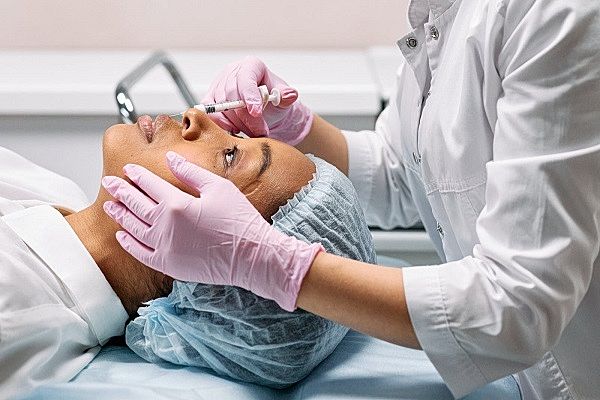
MedSpas, also called Medi Spas or Medical Spas, offer various non-surgical cosmetic treatments that cater to both men and women. Trained specialists perform all procedures under the supervision of a qualified doctor. Medical spas differ from regular spas or even plastic surgery clinics by offering a variety of unique combinations of medical-grade aesthetic services.
Some top services offered at medical spas include, but are not limited to:
 Are MedSpas Safe?
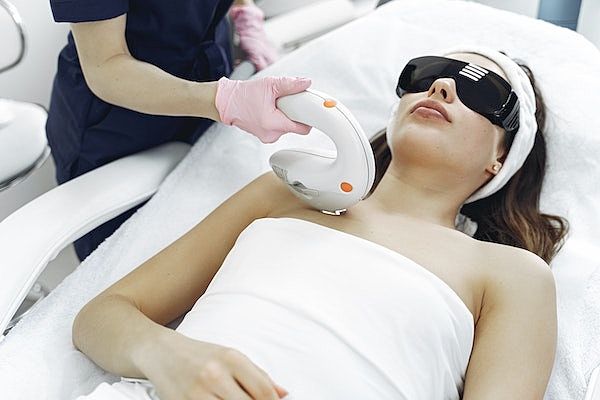
All procedures are non-invasive or minimally invasive, and most offer a high degree of safety and effectiveness. However, evaluate the risks and benefits before committing to a treatment. Below, we will discuss some of the most popular MedSpa services: their use, benefits, and risks.
Injectable Wrinkle Relaxers, such as Botox, target the superficial facial muscles responsible for causing wrinkles.
These injectables prevent muscles from contracting, reducing the appearance and preventing future wrinkle formation. The most common injectable wrinkle relaxers include:
These are non-surgical fat reduction techniques to sculpt your body. These involve non-invasive or minimally invasive treatments that help the breakdown of fat under the surface of the skin. Popular FDA-approved body sculpting techniques offered at MedSpas may include:
Some well-known non-surgical fat reduction techniques include:
Risks for body contouring treatments are uncommon but may occur. Side effects may include:
A chemical peel is a skin resurfacing procedure where a chemical solution is applied to gently remove the outermost, damaged layers of the skin.
Chemical peels can ease various skin concerns, including:
Chemical peel treatments are entirely customizable based on the needs of each patient. MedSpas typically offer light, medium, or deep peels, resurfacing the most superficial to the deeper layers of the skin. Treatment results in improved skin tone and texture.
Medical weight loss utilizes a combination of lipotropic injections, medicines, and a proper exercise and diet plan. Lipotropic compounds are nutrients that help break down fat during metabolism. Lipotropic injections may comprise:
The injections are administered in the common problem areas with excess fat, such as the belly, thighs, arms, and buttocks.
Infection, swelling, redness, and rash at the site of injection
A skilled practitioner utilizes a laser device to reduce common skin concerns, such as wrinkles, fine lines, hyperpigmentation, scars, and uneven skin tone. There are two types of laser treatments:
Both lasers produce a more youthful appearance by reducing visible signs of aging. However, ablative lasers possess a higher degree of risk and a more lengthy recovery time than non-ablative lasers.
Also called soft tissue fillers or injectable implants, dermal fillers are used to increase volume and correct thin or shallow facial contours.
Dermal fillers are used to:
Dermal fillers can be either temporary or permanent based on their chemical components and ability to be absorbed independently.
Microdermabrasion is an FDA-approved skin rejuvenation procedure that uses a medical device to exfoliate the skin.
Common types of microdermabrasion include:
Microdermabrasion can reduce various common skin concerns, such as:
The effect of microdermabrasion can be noticed immediately after treatment.
All treatments are performed under the supervision of a licensed physician. Complex medical procedures are usually performed by the physicians themselves. Other less complex medical procedures may be administered by experienced nurses, nurse practitioners, or physician assistants. Non-medical procedures are commonly performed by licensed aestheticians trained in medical aesthetics.
The word ‘Spa’ may cause one to think that a medical spa is a type of day spa you go to for a regular facial. But there are some critical differences between the two.
MedSpa | Regular Spa | |
|---|---|---|
| Operated by: | Licensed physicians | Physicians not required |
| Offers Medical-Grade Cosmetic Procedures: | Yes | No |
| Require a Medically Sterile Environment: | Yes | No |
| Offers Invasive Cosmetic Treatments: | Yes | No |
| Treatments are Performed by: | Physicians or licensed medical professionals under a doctor’s supervision | Beauticians |
| Hospitalization Required: | No | No |
| Results: | Visible high-level results expected | Drastic results not necessarily visible |
| Also known as: | Cosmetic Medical Service, Clinical Spa, Medi Spa, Medical Spa, Med Spa | Day Spa, Beauty Spa |
| Covered by Insurance: | Not often | No |
A plastic surgery clinic often encounters patients with burns, injuries, damaged tissue, or other illnesses. All procedures are usually provided by a board-certified plastic surgeon. Treatment at Medical Spas may be provided by a plastic surgeon, physician, nurse, or aesthetician. The primary difference between the two practices is the invasiveness of cosmetic treatments. Most treatments at Medical Spas range from non-invasive to minimally invasive. Plastic surgery clinics offer both non-surgical and surgical treatment options.
If you have a skin condition and are deciding if you should go to a MedSpa or a dermatologist, then you need to know the difference between the two. A dermatologist is a licensed skin doctor who can take your comprehensive health exam, perform a diagnosis, and prescribe medicines. This is not possible at a Medical Spa unless the treatment you are undergoing is performed by a board-certified physician and your health condition warrants it. Less complicated procedures at a MedSpa, like facials and peels, can be performed by a trained aesthetician who is not a doctor.
Medical Spa | Plastic Surgery Clinic | Dermatology Clinic | Regular Spa | |
|---|---|---|---|---|
| Type of Procedures: | Cosmetic, Non-surgical, Minimally invasive, Non-invasive, Medical-grade | Highly complex surgical, Cosmetic, Reconstructive, Minimally invasive, Non-invasive | Moderately complex procedures specific to the skin | Only cosmetic services that do not require any invasiveness |
| Operated By: | Mostly board-certified physicians | Highly specialized surgeons | Board-certified dermatologists | Anyone |
| Medicines Prescribed? | Yes, by a licensed doctor | Yes | Yes | No |
| Covered by Insurance: | Not often | Yes, unless cosmetic | Yes, unless cosmetic | No |
| Service providers | Physicians, Plastic Surgeons, Nurses, Nurse Practitioners, Licensed Aestheticians | Plastic Surgeons, Nurses, Nurse Practitioners | Physicians, Nurses, Nurse Practitioners | Beauticians |
Costs vary depending on the severity of the problem, brand, location, and the experience of the treating physician. Additional costs may include anesthesia, blood tests, and medication. The number of sessions depends on the severity of the condition or the size of the area being treated.
National Average | |
|---|---|
| Botox® | $500 |
| Chemical peel | $520 |
| Lipotropic injections | $35-$75 |
| Laser skin resurfacing | $1400-$2500 |
| CoolSculpting | $2000-$4000 |
| SculptSure® | $1500 |
| Kybella® | $1200-$1800 |
| Injectable dermal fillers | $700-$1000 |
| Microdermabrasion | $200 |
Since treatments performed at Medical Spas are cosmetic, insurance does not cover them. However, many Medical Spas offer flexible payment options.
With so many regular spas masquerading as medical spas, it is vital to know the criteria when choosing the best MedSpa near you. Most medical spa procedures are medical-grade and could require injections or minor invasiveness. Choosing a medical spa near you that is safe, genuine, and high-quality is essential. Preferably, choose a medical spa that:
The requirements vary state-wise. Most often, the state requires that the medical spa should be operated by a qualified board-certified physician. However, in some states, non-physicians can own a medical spa, provided it is managed and supervised by a full-time on-site qualified physician.
Most popular medical spa services include:
A MedSpa is a spa-like facility that provides non-surgical medical-grade cosmetic procedures under the general supervision of board-certified physicians. Complex procedures are usually carried out by surgeons or licensed doctors. Trained nurses or aestheticians perform less complex treatments.
Medical Spa goes by many names such as MedSpa, Medi Spa, Cosmetic Medical Service, Clinical Spa, Med Spa, or Medical Clinic.
The MedSpa industry is loosely regulated, and the rules vary state-wise. However, most states require that MedSpas be operated by a board-certified physician. Some states allow non-physicians to own a MedSpa, provided its day-to-day operations are supervised by a full-time onsite licensed doctor.
Aesthetic treatments are non-surgical cosmetic procedures. They can be simple like pedicures or facials, or more complex like Botox® or Kybella®, requiring trained specialists or plastic surgeons. Medical-grade non-surgical treatments are provided under the guidance of a licensed doctor at medical spas.


Sheila Nazarian is the founder and operator of Spa26. Dr. Nazarian’s Spa26 patients benefit from her numerous qualifications. She has years of training and expertise as a board-certified plastic surgeon. She graduated from Columbia University, where she concentrated in pre-med. She studied medicine and earned her doctor of medicine degree at Albert Einstein College of Medicine at Yeshiva University.

Spa26 offers luxury skincare, anti-aging treatments, and wellness services. Consult with our experienced team at (310) 683-7537.