 What Does a Removed Tattoo Look Like?
Jul 2, 2025
Tattoos are permanent marks or inscriptions that are implanted on the skin with a special ink and a small needle. When people get them, they most often intend for them to be lasting. But, sometimes they change their minds about it and want them removed, which is why they schedule a tattoo removal.
When removed, the area where the tattoo was will appear red and swollen, with a white powdery substance called frosting on it. After a while, it will appear faded and may even cause some significant changes to that area, depending on the skin type.
When it comes to removing unwanted tattoo inks, choosing the right provider for that makes all the difference. At Spa26, we combine medical grade technology, precision and deep understanding of skin types, making us the go-to destination for tattoo removal in Beverly Hills. Contact us to begin your personalized consultation today.
This article will cover everything you need to know about the tattoo removal journey, how it works, the different kinds of lasers and what to expect your skin to look like after removing a tattoo. You will also learn how individual factors such as skin type and the color of tattoo affect the outcome of the tattoo removal process.
When the ink is broken down into smaller bits by the laser, your immune system recognizes the ink particles and mobilizes a cell called a macrophage to absorb and break down the tattoo ink. Those cells take the ink particles to the body’s drainage system, called the lymphatic system, and over time, the tattoo slowly fades away. This is why a tattoo never comes off on its own, even with a strong immune system, because it needs the help of a laser to break it down.
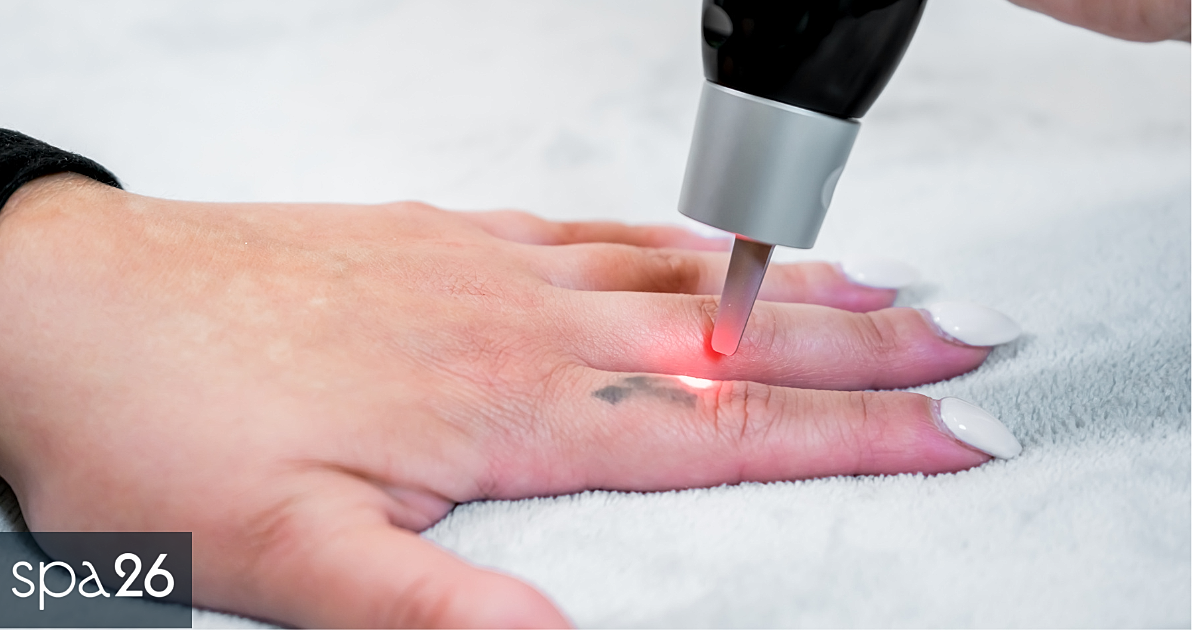
After going through a laser tattoo removal session, the body needs time to heal. There are different stages of the healing process, and the experience may vary from person to person, so having a better understanding of the healing process gives insight into what to expect. This section will walk you through a typical recovery timeframe and how your skin transforms during that period.
Immediately after the first session, your skin will appear red, hot, or swollen. The skin will also appear frosted (white powdering) as a reaction to the laser. Most people get burn blisters or scabs, and this is just the skin protecting itself from harmful properties in the air.
After some days, the redness and swelling will go down after a few days. The area will also become itchy. Therefore, it’s recommended to avoid rubbing on the area when it gets irritated to avoid injury.
In this stage, the outer skin will be healed for the most part. But on the inside, the body is still working on getting out the remaining ink particles.
The healing process can take up to 6 weeks before significant fading can be seen. After, you can go for a subsequent session immediately for optimal results.
There are a few ways to remove a tattoo, but some are safer and more effective than others. One of such is laser removal. It is the most popular and effective means of tattoo removal. Examples of some well-known lasers are Q-switched lasers and PicoSure lasers. They break down the ink into tiny particles. The best tattoo removal laser to use is the PicoSure for optimal results.
Another method is surgical exclusion. During this process, a doctor cuts out the skin that is tattooed and stitches the area back. This is usually recommended for smaller tattoos because it can leave scarring and is not ideal for larger tattoos.
Furthermore, there is dermabrasion, which involves the tattoo being scratched off the skin. You can also use tattoo removal creams. These are creams that are being manufactured and sold with the sole purpose of removing tattoos, but they do not work well and can cause skin damage. It is not recommended by professionals.
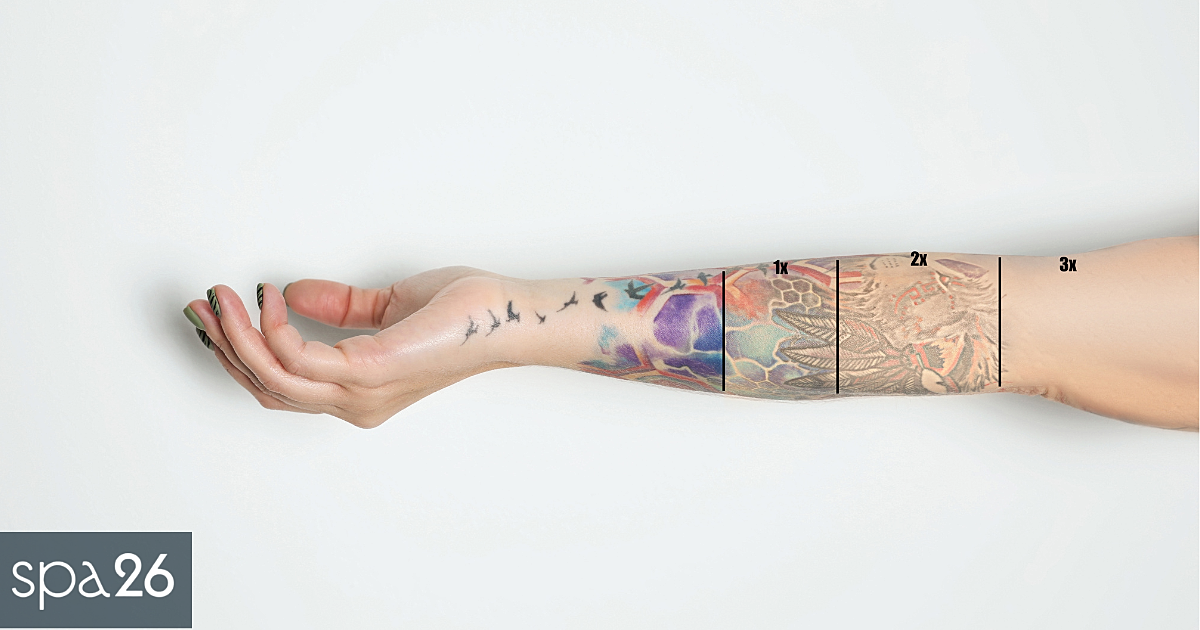
After each tattoo removal session, you can expect your skin to react to the process in order to heal. The reaction can include swelling, blisters or redness, which are normal occurrences as a result of the skin healing. It is important to pay attention to these changes and follow up with the right aftercare treatment.
The healing process takes time and during this time, some things should be taken note of so you are not taken unaware of the changes that may occur.
Immediate aftermath: During the initial stages of healing, your skin will feel sore with some visible redness and slight swelling. You will also notice blisters or scabbing and some white frosting, which is a natural reaction to the laser treatment.
1–3 weeks after treatment: During this time, the scabbing begins to fall off, the skin recovers and looks a bit better, but the tattoo is still visible. This indicates that skin is healing on the surface, but the ink beneath the skin is still being broken down.
Long-term healing (3–6 months and beyond): At this stage, the skin is still healing, and the fading process continues after more sessions. During this time, you should stay consistent with subsequent treatments and aftercare should be given and adhered to.
The first thing to note is that tattoo was created to be a permanent mark, and as already established, removing it will not be a one-and-done process. After attending only one session, the tattoo may appear slightly faded, but still very visible. The skin could also appear red, swollen, or blistered temporarily. Some scabbing or frosting (white haze) may also occur, and there is no significant removal after just one session—results are gradual.
Healing time is usually 1–2 weeks before the skin calms down. Therefore, you have to attend multiple sessions regularly and consistently. This will ensure that the tattoo fades away completely and your skin can return to its original state.
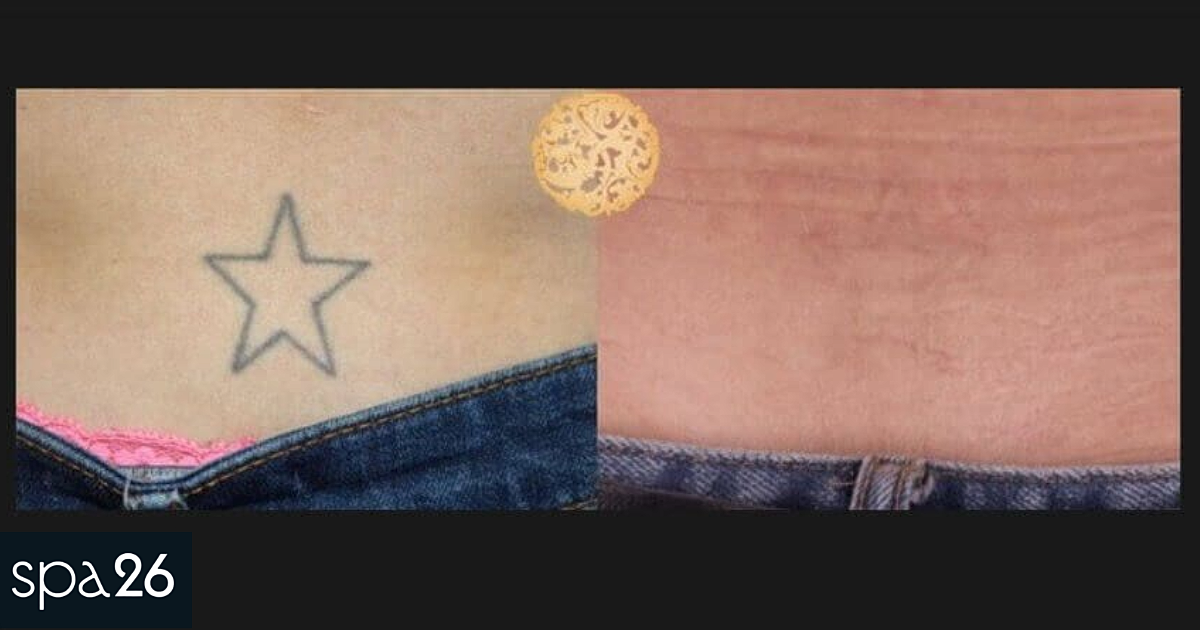
After fewer sessions, the tattoo may be completely gone, especially if it was a black ink tattoo, while some people are left with faint shadowing or “ghosting”. The skin can also appear slightly lighter or textured in the area. When it comes to scars, there is minimal or no scarring if done properly and it is followed by aftercare. The final results depend on the skin tone, ink type, number of sessions, and provider skill.
Curious about comparisons of what the skin looks like before and after a tattoo removal? Here are some images that showcase the results of the treatment:
Tattoo removal functions differently for everyone, and there are several factors behind this. Not all tattoos fade the same way or have the same timeline to heal or fade. One factor which can affect how a removed looks is the skin type and color.
Each skin has a substance called melanin, which produces pigmentation on the skin. Melanin has the ability to absorb light from the laser before it gets to work on the skin, and the more melanin in the skin, the darker your skin tone.
If your skin tone is light, you have less amount of melanin present in the skin; therefore, lasers work faster and the tattoo removes more easily. But for darker skin tones, the higher melanin content causes fading results to be a bit slower; therefore, lasers need to be used more carefully so they do not damage the surrounding skin.
Another factor is the tattoo size, location, and age. For the size, smaller tattoos are easier and faster to remove, and older tattoos fade faster because your body has started breaking down some of the tattoo ink. The location of the tattoo affects the success of its removal. The easier spots to remove tattoos are arms, legs and chest because blood flows better in these areas, which can lead to faster healing. However, the harder spots to remove tattoos are hands, feet, ankles, and eyebrows, because there is less circulation of blood in these areas.
Furthermore, it is important to note that sun exposure slows down the healing process and can cause damage to the skin. It is advised to protect the treated area from sun exposure.
Not all colors fade the same. They have different pigments and react to the laser light differently.
Black ink is the easiest to remove because it absorbs laser light the best. Blue/Dark Green takes longer to remove, but lasers like PicoSure do a good job at removing it effectively, while yellow/white/red ink is harder to treat and takes multiple sessions to treat.
For an effective tattoo removal procedure, you will need multiple sessions spaced within several weeks to achieve substantial fading of the tattoo. Stopping halfway or not completing every required session will mean that the tattoo ink will not completely remove. The timeline and number of sessions required depend on the laser technology used, as some take more time to effectively break down the ink than others.
So what happens when you don’t take complete sessions? You still have some ink left. But with the full series of sessions, you get to reach your tattoo removal goals.
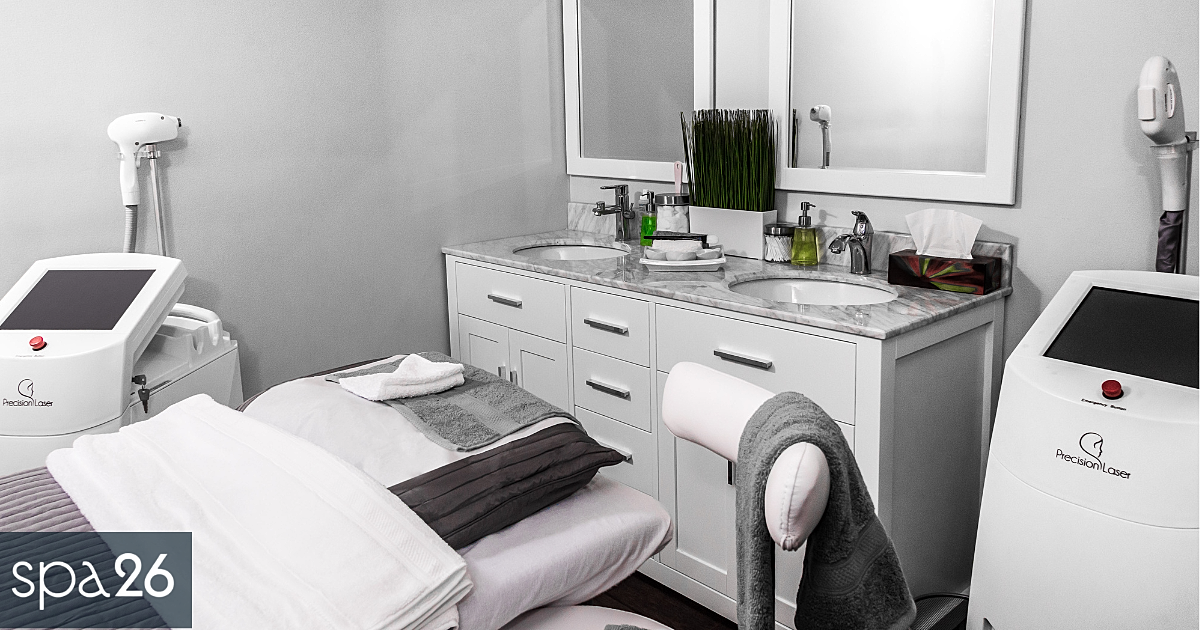
Looking for a quality clinic or medical spa for your tattoo removal goes beyond the professionals and lasers used. It needs to be a place that prioritizes hygiene, quality equipment, and aftercare. This is important in order to avoid infections, and the aftercare support they give helps you learn how to take care of your skin on your own and reduce the risk of complications.
Where you get your tattoos removed matters a lot, and you should look out for places that make use of modern laser technology, have clean, hygienic spaces, offer proper aftercare support, and have experienced professionals. This is essential because it reduces and eliminates the risk of infections, skin damage and complications during the healing process.
Get the best experience at Spa26. With us, your skin will be given expert care with advanced laser technology, safe, hygienic equipment, and proper aftercare support to ensure an optimal healing process.
Tattoo removal is not a process that completes instantly, but it is a process that is treated over time. There is a timeline of how long it will take before complete tattoo removal results are achieved.
First of all, fading may begin within 1–2 weeks after the first session and noticeable results typically appear after 3–4 sessions. Fill removal may then take 6–10 sessions depending on ink, skin type, and laser used. The time between sessions is usually 6–8 weeks to allow healing, and older tattoos and darker inks often fade faster than new or colored tattoos. The results depend on your immune system, aftercare, and treatment consistency.
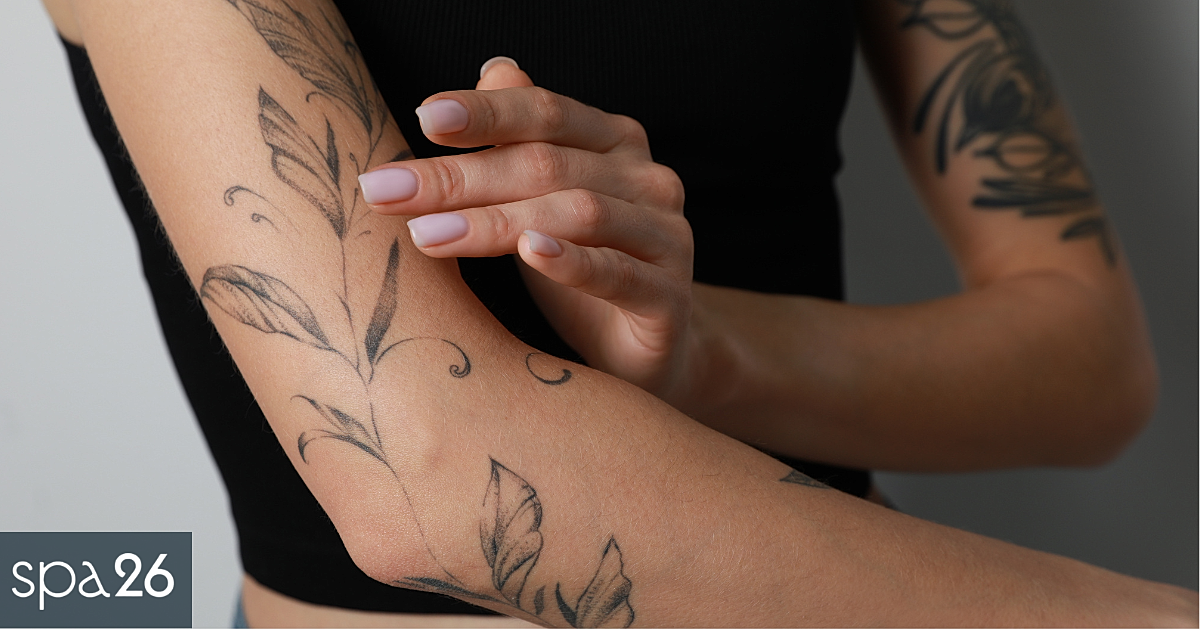
After laser treatment, taking care of your skin is important and plays a huge role in the healing process, how your tattoo fades, and how your skin looks afterwards. The following are options to consider to enable better results after getting a tattoo removed:
What a removed tattoo may look like varies widely. It depends on your skin tone, the ink color, where the tattoo is located, and even the laser energy. The results of the removal process may vary, and one needs to understand that removing a tattoo does not make the skin regain its original look. Having multiple sessions or using the best means may also not result in complete tattoo removal. However, it is important to consult certified, trained professionals before taking the bold step to remove your tattoo.
At Spa26, your skin receives an exceptional level of care backed by a team of professionals and top-quality advanced technology. As one of the best medical spa clinics, we make use of cutting-edge equipment such as PicoSure lasers to deliver outstanding results in tattoo laser removal. Start your journey today and contact us to schedule a consultation.
This section answers what will most likely be going through the mind of someone who would want to have a tattoo removed. Explore these answers below to get more informed as you begin your tattoo removal journey.
Total tattoo removal is not 100% guaranteed. Various factors, such as the ink color and skin tone, can affect the success of tattoo removal. You can attend several removal sessions for optimal results.
The side effects include pain and discomfort on the affected area, blisters, hyperpigmentation, frosting and scarring. There is also the possibility of getting an infection if the equipment used is not hygienic and the proper aftercare is not administered.
The hardest places to remove a tattoo are the hands, feet, and ankles. This is because of the low blood circulation that occurs in those areas.
Yes, it does. With the right means and aftercare treatment, your skin can return to its original state before tattoo removal.
A removed tattoo can still be visible if there are no follow-up laser removal sessions since the first one.
It is recommended to have between 6 to 10 Pico laser sessions for the best results.
The PicoSure laser is an advanced and modern laser technology that breaks down the tattoo in the skin into smaller particles to enable the body to easily get rid of. It is the best and most recommended laser for tattoo removal.




Sheila Nazarian is the founder and operator of Spa26. Dr. Nazarian’s Spa26 patients benefit from her numerous qualifications. She has years of training and expertise as a board-certified plastic surgeon. She graduated from Columbia University, where she concentrated in pre-med. She studied medicine and earned her doctor of medicine degree at Albert Einstein College of Medicine at Yeshiva University.

Spa26 offers luxury skincare, anti-aging treatments, and wellness services. Consult with our experienced team at (310) 683-7537.