 How Much Does Tattoo Removal Cost?
Aug 10, 2025
Tattoo removal has grown increasingly popular as more people seek to erase past decisions or make room for new ink. With advances in laser technology, treatments are now safer, faster, and more effective than ever. Tattoo removal cost typically ranges from $200 to $500 per session, with pricing depending on several factors like tattoo size, tattoo pigment, and the location of the tattoo. Most tattoos removals require multiple sessions, so total costs can add up to $1,000–$5,000 or more.
Thinking about removing a tattoo but unsure of the cost? At Spa26, we combine advanced laser technology with experienced, licensed professionals to ensure safe, effective tattoo removal tailored to your skin and ink type. Our team provides transparent pricing, personalized consultations, and proven results that have earned us the trust of clients across the region. Discover a luxurious, results-driven approach to tattoo removal in Beverly Hills. Contact us today for your in-person consultation.
This blog breaks down tattoo laser removal prices, what affects them, and what to expect before you book a session.
 As of 2025, the national average cost for a single tattoo removal session in the U.S. is approximately $250 to $300. However, actual prices can vary based on factors like where the clinic is located, the provider’s experience, and the technology used (e.g., PicoSure vs. traditional Q-switched lasers).
Most clinics charge between $100 and $500 per session, depending on the tattoo’s size, complexity of color, and the number of sessions required. Smaller, simple tattoos usually fall on the lower end, while larger, multicolored designs command higher rates.
In total, removing a tattoo can cost anywhere from $1,000 to $5,000 or more. The final cost depends on how your skin responds to treatment and the number of sessions needed, which typically ranges from 5 to 10 sessions.
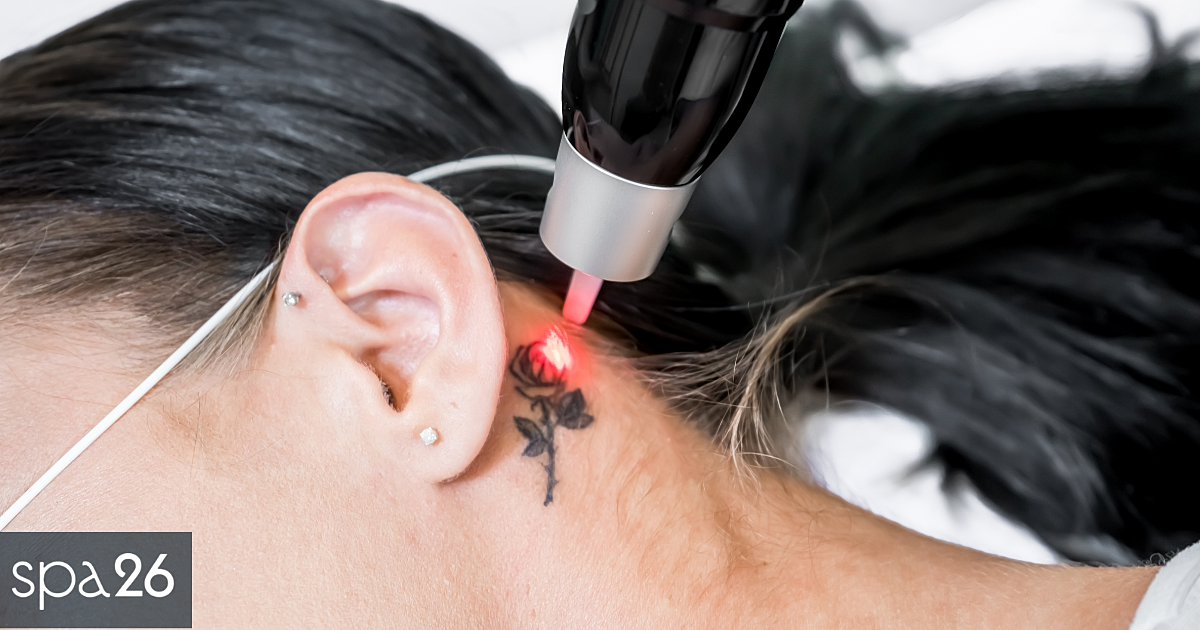
Tattoo removal costs normally cover the laser session itself, which is the core of the treatment. During each session, a licensed provider uses laser technology, like Q-switched or Pico lasers, to target and break down ink particles. The number of sessions required depends on factors like tattoo size, ink color, and skin type.
Beyond the laser treatment, many clinics include pre-treatment consultations in the overall price. This allows the specialist to assess your tattoo, discuss your goals, and recommend a customized removal plan. Some facilities may also include numbing creams or cooling devices to reduce discomfort during the procedure.
Aftercare products and follow-up appointments may or may not be included. Clinics often provide ointments or aftercare instructions to support skin healing and monitor progress between sessions. It’s important to clarify with your provider ahead of time because additional fees can add up if these services are billed separately.
Laser tattoo removal is the most common and effective method for fading or completely erasing unwanted ink. Tattoo removal works by using high-intensity light pulses to break down pigment particles in the skin, which are then naturally eliminated by the body over time.
On average, laser tattoo removal sessions cost between $200 and $500 each. However, the best tattoo removal laser costs vary depending on factors like location, provider experience, and tattoo complexity. Most tattoos require 6 to 10 sessions spaced several weeks apart to achieve the best results.
For total cost estimates, small tattoos may cost around $1,000 to $2,000, medium tattoos typically range between $2,500 to $4,000, and larger designs can exceed $5,000. Factors such as tattoo ink color, the age of the tattoo, and your skin type also influence the number of sessions you’ll need, and ultimately, the cost.
Surgical tattoo removal, or excision, is performed by cutting out the tattooed skin and stitching the area closed. This method is typically carried out by board-certified plastic surgeons to ensure optimal cosmetic outcomes and is typically suitable only for very small tattoos, especially those in discreet locations where scarring can be minimized.
While it carries a higher upfront cost than laser removal, the benefit is that only one procedure is usually required, with no need for more removal sessions over several months. This makes it appealing for those seeking fast, permanent results.
The cost usually ranges from $1,000 to $3,500, depending on the size, location, and complexity of the tattoo. Its advantage is that it offers immediate removal and fewer appointments. In contrast, cons may include visible scarring, longer healing times, and limitations based on skin elasticity and tattoo placement.
Dermabrasion is an older tattoo removal technique that involves sanding down the top layers of skin to gradually erase the tattoo pigment gradually. It’s less commonly used today due to the rise of more advanced and precise methods, such as laser tattoo removal.
The average cost of dermabrasion ranges from $1,000 to $1,500 per session, and multiple sessions may be needed. Dermabrasion tattoo removal prices depend on the size of the tattoo, the color of the tattoo ink, and the depth. However, the total price can vary based on the provider’s experience and geographic location.
Compared to laser removal, dermabrasion is generally less effective because it carries more risks and is often a painful process. These risks could include infections, significant discomfort, and potential scarring. While it may be an option for some, most professionals now recommend laser technology for safer, more reliable results.
 Tattoo removal isn’t one-size-fits-all. Here’s a quick look at how size, color, age, location, and your skin type can affect what you’ll pay:
The size of your tattoo plays a major role in pricing. Larger tattoos take more time to treat and require greater laser coverage, meaning more treatment sessions and a higher overall cost.
More ink also means deeper penetration into the skin, which slows removal. In contrast, small tattoos can often be removed in fewer visits, making them faster and less expensive to treat.
Ink color directly influences how easy (and affordable) your removal will be. Black ink is the simplest to break down, making it the most cost-effective.
Bright colors like yellow, green, and blue are more stubborn and may require specialized lasers and multiple passes to fade. Multicolored tattoos usually need customized treatment plans, adding time and cost.
Professional tattoos often go deeper into the skin and use more pigment, making them harder and pricier to remove. Amateur tattoos, on the other hand, are usually less dense and unevenly applied, making them easier and therefore cheaper to treat. However, very detailed or high-quality tattoos may take more effort to fully erase, regardless of who applied them.
Yes. Older tattoos often require fewer treatment sessions because the ink has naturally faded over time. Newer tattoos usually have more vibrant, deeply set pigment, which can take longer to break down.
In general, the more faded your tattoo, the better it responds to laser treatment, reducing your total cost.
Skin type and tattoo placement both impact cost and outcomes. Tattoos on areas with thicker skin (like the upper back or legs) may take longer to treat, while areas with high blood flow (such as the chest or arms) heal more quickly between sessions.
For facial or eyebrow tattoo removal, providers must use gentle techniques, especially on darker skin tones, to prevent pigment changes or scarring. This extra care can affect your laser tattoo removal cost.
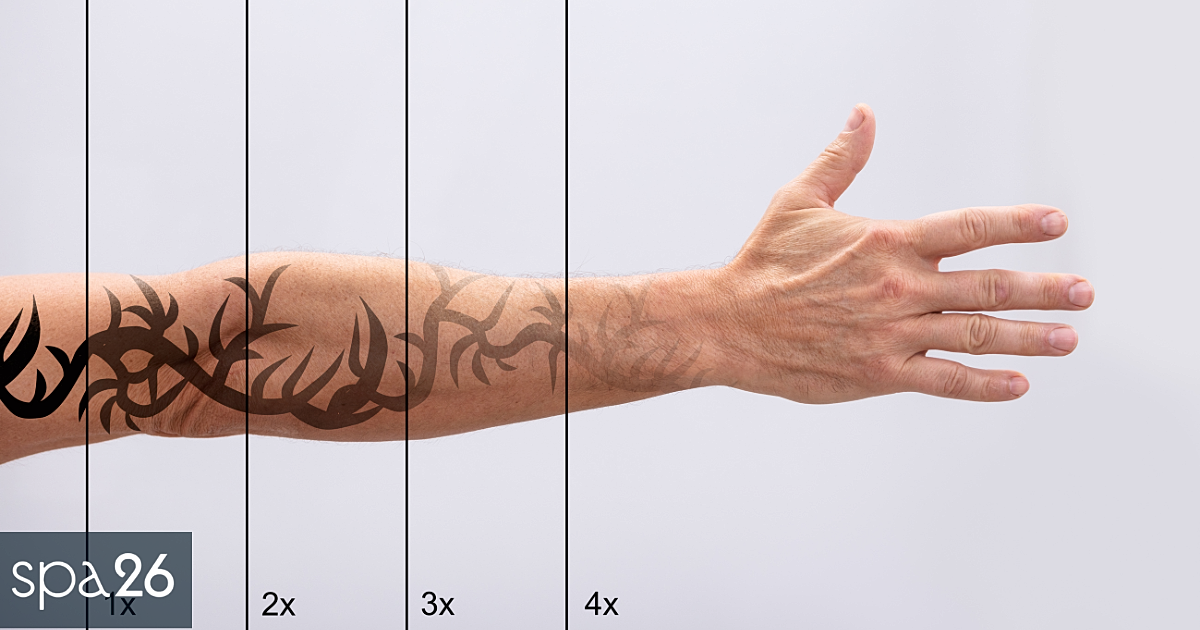
Here’s a table that breaks down how many tattoo removal sessions you may need, based on different tattoo characteristics and healing variables:
Tattoo Type / Variable | Estimated Sessions | Session Spacing | Total Treatment Time |
|---|---|---|---|
| Small, black ink tattoo | 3–6 sessions | 6–8 weeks apart | 4–8 months |
| Medium, professional tattoo | 6–10 sessions | 6–8 weeks apart | 8–12+ months |
| Large, multicolored tattoo | 8–12+ sessions | 6–10 weeks apart | 12–18 months or longer |
| Faded or older tattoo | 3–5 sessions | 6–8 weeks apart | 4–6 months |
| New or vibrant tattoo | 7–10 sessions | 6–10 weeks apart | 9–15 months |
| Eyebrow or facial tattoo | 3–6 sessions | 8 weeks apart (gentler) | 6–10 months |
| Amateur tattoo | 2–5 sessions | 6–8 weeks apart | 3–6 months |
| Dark skin tone (Fitzpatrick IV–VI) | 6–10+ sessions | 8–10 weeks apart | 10–14+ months (requires care) |
An initial consultation with a certified technician or dermatologist will give you a more personalized session plan based on your skin, tattoo age, color, and placement.
If you are looking to erase unwanted ink without overspending, it’s important to know that many reputable clinics offer package deals or prepay discounts that significantly lower laser tattoo removal costs per session. If you plan to undergo multiple sessions, these offers can help you save hundreds over time.
Some clinics also provide payment options that allow you to spread the cost over several months. Make sure to choose a provider with transparent pricing, so you understand exactly what’s included. This could usually include consultations, numbing cream, tattoo removal aftercare instructions, or follow-ups, without surprise charges.
While it might be tempting to go with the lowest-cost provider, avoid clinics using outdated equipment or unqualified staff. Choosing a clinic with FDA-cleared technology and certified technicians or board-certified dermatologists ensures safer procedures, better results, and fewer costly complications down the line.

When deciding between tattoo removal and a cover-up, it’s important to weigh the pros and cons of each. Tattoo removal offers a clean slate but can be time-consuming and cost anywhere from $1,000 to $5,000+. Cover-up tattoos, on the other hand, are quicker and usually cost $200 to $1,000, but limit design options and may not fully hide darker ink.
Removal is often the better choice when the original tattoo is very dark, large, or emotionally tied to something you’d prefer gone completely. It’s also ideal if you want to leave the skin blank or prepare the area for a higher-quality tattoo in the future. A partial removal can even make a future cover-up easier and more effective.
While cover-ups are more affordable upfront, they may not fully mask the old tattoo and could require more ink or touch-ups. In contrast, laser removal may be more expensive, but it offers long-term benefits and more freedom in future tattoo decisions. The best choice depends on your goals, budget, and tolerance for time and healing.
Laser tattoo removal costs vary depending on factors like the tattoo’s size, ink color, removal method, and the number of sessions required. Patients can expect to pay between $100–$500+ per session, with total actual costs ranging from $1,000 to $5,000 or more, depending on complexity.
To completely remove your tattoo and avoid complications, it’s important to thoroughly research and choose a reputable provider with the right experience and equipment. Quality care might cost more initially, but it ensures safer treatments and better long-term outcomes.
Wondering if tattoo removal is worth it? At Spa26, our experienced team delivers safe, effective removal using advanced laser technology tailored to your skin and ink type. With transparent pricing and over 30 state-of-the-art FDA-cleared devices, and personalized care, we help you remove unwanted tattoos with confidence and clarity. Ready to start fresh? Contact us to book your consultation today with the best MedSpa clinic in Beverly Hills.
Curious about what to expect when budgeting for a tattoo removal? Below are answers to some of the most frequently asked questions to help you understand tattoo removal prices, the process involved, and what’s included.
Removing a small tattoo usually costs between $100 and $300 per session. Factors that determine the cost of a small tattoo removal include the color, tattoo location, and the expertise of the clinic.
Tattoo removal can cause mild to moderate discomfort. It is often described as a sensation similar to snapping a rubber band against the skin.
Most tattoos require multiple sessions for complete removal because, most of the time, one session is rarely enough to break down all the ink.
While some may consider home remedies or DIY methods as cheaper alternatives, professional laser removal remains the safest and most reliable option. However, these methods are typically ineffective and can cause damage to the skin. Professional laser removal remains the safest and most reliable option.
Yes, tattoo removal is generally more expensive than getting a tattoo. This is due to the fact that it often requires multiple laser sessions for complete results.
Yes, many tattoo removal clinics offer payment plans or financing options. Because of this, clients can spread the cost of multiple sessions over time for added flexibility and affordability.
Yes, additional costs may include consultation fees, aftercare products, numbing creams, or follow-up treatments, depending on the clinic’s policy.
No, insurance typically does not cover tattoo removal since it is considered a cosmetic procedure.


Sheila Nazarian is the founder and operator of Spa26. Dr. Nazarian’s Spa26 patients benefit from her numerous qualifications. She has years of training and expertise as a board-certified plastic surgeon. She graduated from Columbia University, where she concentrated in pre-med. She studied medicine and earned her doctor of medicine degree at Albert Einstein College of Medicine at Yeshiva University.

Spa26 offers luxury skincare, anti-aging treatments, and wellness services. Consult with our experienced team at (424) 544-3362.