 Tattoo Removal Aftercare
May 15, 2025
Every tattoo removal process needs precision, consistency, and expertise. And whenever a client makes up their mind to go ahead with the removal treatment, what happens after the removal process matters as much as the process itself. So, you must be on alert and intentional with how your skin heals if you intend removing your tattoo or have already done so. This is where the need for proper aftercare cannot be overstated.
The healing process of the treated area of your skin kicks off right after your session ends. During this period, you’ll need to properly clean, moisturize, and protect the treated area, and know all the necessary things that must be avoided to speed up your skin recovery.
At Spa26, we’ve handled different effective laser tattoo removal treatments using the most sought-after advanced technology such as PicoSure, which makes us unique among other tattoo removal clinics in Beverly Hills. Beyond carrying out the
removal process, we also integrate tattoo removal aftercare guidance into every treatment session to give our clients the best results. Contact us to kickstart your tattoo removal treatment.
This post covers what happens to your skin after treatment and how to care for it properly. We’ll also break down what you need to do after a tattoo removal process, what to avoid, and how to differentiate between normal healing and red flags.
Before getting into a laser tattoo removal process, you need to first understand that when you get a tattoo, ink is injected deep into the second layer of the skin, called the dermis. Your body recognizes the ink as a foreign substance. Due to the large size and complex nature of the particles for the macrophages, your immune system cannot jump in to remove them easily without being stimulated, which makes the tattoo permanent. Laser tattoo removal uses targeted light pulses to solve this.
The use of laser for tattoo removal works by breaking down ink particles in the skin into tiny fragments using concentrated light energy, allowing your body to flush them out naturally. In other words, the removal process has proven effective as it completely fades off the appearance of tattoo which makes your skin look like it never had one.
There are several ways to remove tattoos, and all these methods are not created equal. Some are more advanced, while others are considered outdated or used in specific cases. Laser technology remains the gold standard, mostly for its effectiveness and minimal invasiveness. However, methods like surgical excision, dermabrasion, and chemical removal are still in use.
Q-switched lasers have been the traditional standard for more than a decade. They work by emitting powerful energy pulses in nanoseconds (one-billionth of a second). In return, these pulses create intense heat that shatters the ink particles in the tattoo into smaller fragments, which are then gradually cleared away by your immune system.
Additionally, Q-switched lasers are mostly best for faded tattoos. However, they are not without limitations. They do not work well on stubborn colors such as blue and green. And because a Q-switched laser requires higher heat, it usually causes skin irritation and scarring in most cases.
Picosecond Lasers
Picosecond lasers like PicoSure are the most advanced and one of the best tattoo removal lasers. They deliver energy in picoseconds, which is one trillionth of a second, which means they are faster than Q-switched lasers. The ultrashort pulse creates a photomechanical effect and shatters the ink using pressure instead of thermal energy.
The fragments are also smaller compared to other lasers, and this makes them easier for your body’s blood cells and lymphatic system to eliminate, without having to go for many sessions.
In addition, since less heat is involved when using a picosecond laser, it results to a fast healing process, less discomfort after every session and low risk of scarring or discoloration. Beyond these advantages, the laser has the ability to target stubborn and colorful pigments which makes it very efficient for eyebrow tattoo removal.
Using this method, the tattooed portion of the skin is to be cut out surgically, and the remaining skin is stitched back together. This may be the fastest route to physically removing a tattoo, as it requires just one procedure where the ink is cut away. However, it is only applied for small tattoo removal because using this method for larger tattoo removals will require skin reconsideration that would eventually leave a visible scar.
The idea of dermabrasion, which is also known as surgical skin planning, involves the use of a high-speed abrasive tool, usually a medical-grade sanding device, to wear away the outer layer of the skin. Simply put, this method removes the damaged skin cells that contain the tattoo ink by sanding them away. In most cases, it leads to partial fading, mostly in old tattoos. It’s also a very painful method, causes bleeding, and there could be a prolonged and tiring recovery process. Due to these limitations, this method is less commonly performed because there are less risky and more effective alternatives.
This tattoo removal method requires the injection of saline solution or application of chemical agents like trichloroacetic acid (TCA) or glycolic acid into the treatment area, which causes the skin to scab and slowly expel the ink as it heals. This technique has inconsistent results, and in most cases, laser treatment is still required to finish the removal process. The risk of scarring, infection, and skin sensitivity is also higher, mostly when the procedure is carried out by untrained technicians.
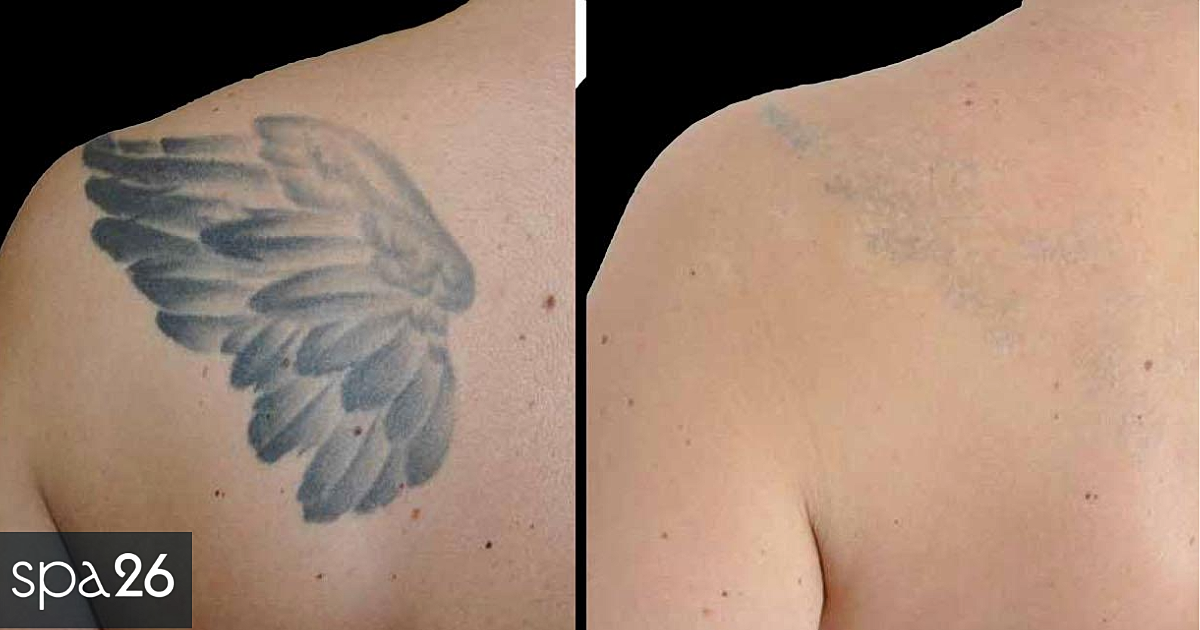
When a laser tattoo removal treatment is carried out on your skin, you’re automatically beginning a careful disruption beneath the skin surface. The ink particles are broken down into smaller pigments by a process called photomechanical fragmentation, inflammation is sparked, and your body starts clearing the pigment.
When the laser touches the part of the skin that has the tattoo, the concentrated light energy penetrates the epidermis, which is the skin’s outer layer, and reaches the ink stored in the dermis, where the tattoo pigments are present. Once it reaches the dermis, the energy pulses break down the ink particles into tiny ones. During the shattering process, there’s usually a white or ashy appearance called frosting on the treated area. The frosting is caused by the release of gas as the ink heats up and breaks appear. You should also know that whilst this is temporary, it’s a way of knowing that the use of laser removal process is effective.
Your immune system takes action after the ink particles are broken down. White blood cell begins to see the pigment as a foreign substance and proceeds to carry it away through the lymphatic system. This tends to continue for weeks after every laser section which is why fading is a gradual process.
It’s also completely normal to notice redness and swelling of your skin, or what most people refer to as sunburn, when the ink starts to break down. This is a way of letting you know that your body is reacting to the heat from the laser. In some cases, blisters also occur during the first or second treatment.
Generally, laser treatments are safe. However, the removal process must be performed carefully and aftercare procedures are to be adhered to. If not, you are most likely to end up with scarring, skin discoloration or infections.
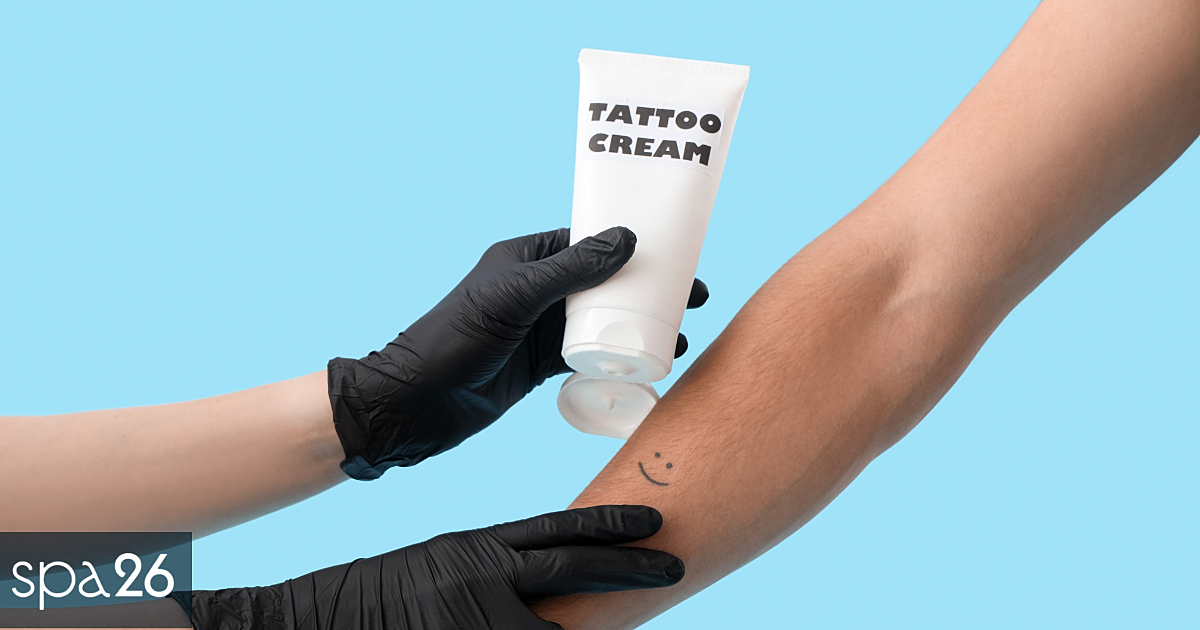
Your laser tattoo removal aftercare routine should kick off as soon as the removal sessions end. How you care for your skin after the tattoo removal will influence how fast your body heals. Let’s start with how you should care for your skin right after your appointment.
The first 24-72 hours after your laser tattoo removal treatment must be taken seriously. During this timeframe, your skin is still at its most vulnerable state, your immune system is very much alert, and you have just begun your healing process. Do your best to stick to the following instructions.
To start with, DO keep the area clean and bandaged. After your session, a non-stick dressing or sterile bandage is meant to be applied by your specialist to protect the treated area of your skin. The sterile dressing serves a barrier to prevent entry of bacteria and avoid cases of friction from your clothing or the environment. Keep the bandage on within the 24-72 hours. Also, keep the area clean with mild soap and cool water. Do not scrub or rub the area. Instead, rinse without using force and pat dry with a clean towel.
Secondly, DO use cold compress to minimize swelling. It’s common for the treated part of your skin to be swollen and delicate to touch after the laser tattoo removal session. A chilled cloth or ice pack that is wrapped in a thin towel should be applied gently on the treated area several times a day to reduce the discomfort.
Thirdly, DON’T pick or pop blisters. Seeing blisters form on the skin is no usual thing and oftentimes, it is alarming. Try as much as possible to resist the urge to pop or pick at them. The best you should do is to let your body heal naturally by allowing the blisters to dry out and scab over by themselves.
Finally, DON’T apply scented lotions or ointments. Fragranced creams, lotions, and ointments have no place on the treated area within 24-72 hours after a laser treatment. They are made with chemicals and fragrances that, in most cases, cause irritation to your sensitive skin, delay healing, and increase your chance of getting an infection or allergic reaction. Make sure to use the actual antibiotic ointments that may be prescribed by your specialist.
Once you’ve gone beyond the first 24-72 hours, your laser tattoo removal aftercare doesn’t stop. Consistent cleaning, moisturizing and protection of the skin from harsh environmental factors are not to be ignored for the next two weeks.
Cleaning and Moisturizing
Use a gentle, fragrance-free soap to clean the treated area at least twice a day. Once done, pat it dry with a clean towel. Then, you should apply a very thin layer of the healing ointment which could be Aquaphor or low-strength hydrocortisone cream. However, stick to the exact ointment that was prescribed by your specialist. Over-moisturizing easily suffocates the skin, so make sure it stays dry every single day.
Protecting the Skin
Ideally, sun exposure is one of the major threats to the healing skin after tattoo removal. So, if you must step outside within these two weeks or even longer, you should keep the treated area completely covered or protected with broad-spectrum sunscreen that has SPF-30. If you intend wearing a hoodie with a thin sleeves within this period, go for full coverage instead.
Additionally, wear loose clothing often within this period because tight clothing and even jewelry have the ability to get in contact with the treated area. The contact may cause blisters to break or worsen irritation thereby increasing your chance of infection or prolonged healing process.
Also, you should stop any intense physical activity like exercise, hot tubs and hot showers. They tend to soften the healing skin and allow the invasion of bacteria. So, handle your skin with care to speed up the healing process. Feel free to also schedule a contact a specialist to get the best laser tattoo removal treatment
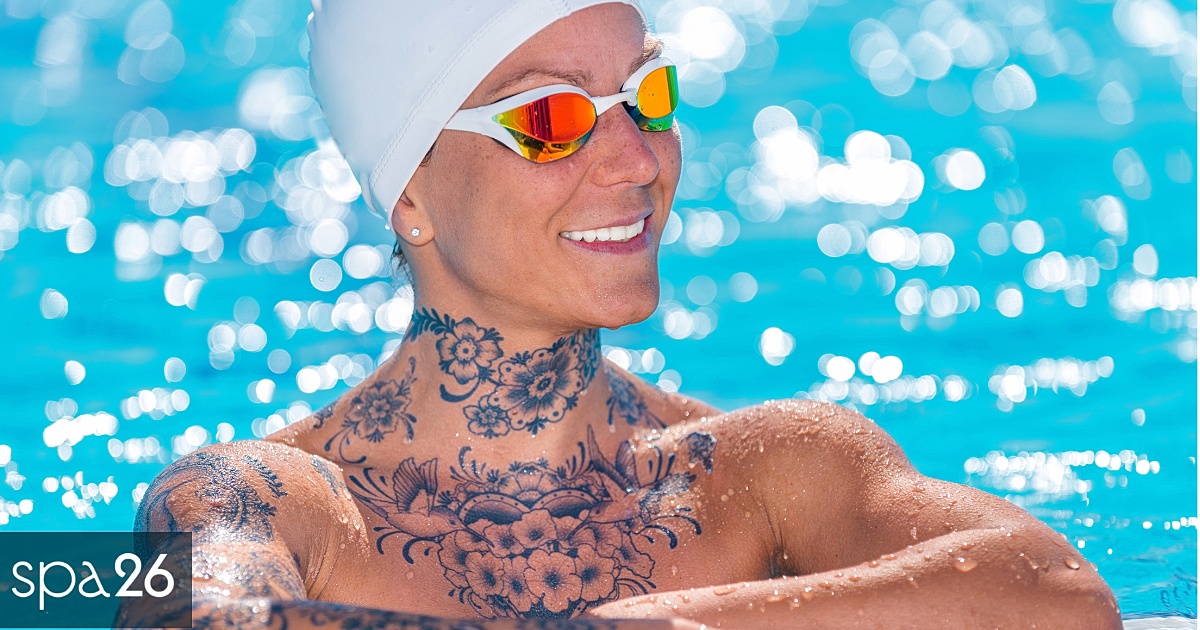
It’s necessary to focus on what to apply, clean, or cover after a laser session. However, what you shouldn’t do is also important. The treated skin is not in its optimal state, and exposing it to heat, friction or bacteria during the healing process will cause more harm. So, you should adhere to the following:
Engaging in activities like running, lifting weights or even hot yoga will do you no good after a laser tattoo removal treatment. These activities often give rise to heightened sweating, an increase in blood flow, and repetitive motion around the treatment area that automatically irritate the skin and increases the chances of blisters forming or reopening.
Also important is the fact that physical stress during this time subjects your immune system to working extra time which in turn, slows down its ability to flush out the ink particles. So, if you want to see fading happen faster and minimize any form of complication, wait until your skin has completely healed before returning to physical activities.
After the treatment process, it’s advisable to abstain from any form of alcohol consumption for the next 24-72 hours. The removal process may be over. However, the tattoo hasn’t completely faded. Taking alcohol or smoking will slow down the ability of your immune system to clear of the broken down ink particles, thereby prolonging the complete removal of the tattoo.
Friction is a very profound enemy to your currently delicate skin. Make sure to avoid any clothing that have the tendency to rub on the skin or trap heat. The same goes for jewelry as they can even press against or drag across the area. The effect may not be noticed immediately. However, what may seem as small touches could have been consistent and eventually affect the protective barrier that your skin is still trying to build.
No doubt, soaking in hot tubs, swimming pools, and even natural bodies of water like oceans or lakes sound relaxing after a laser procedure. However, resist the urge to use them as they are filled with bacteria. Even what may seem as a brief exposure to these water bodies increases your risk of infection, slows your healing times, and may worsen scarring.
As stated earlier, sun exposure have the ability darken your skin’s normal color, trigger pigmentation changes and give rise to heightened irritation. Tanning beds are even more harsh, as they combine concentrated UV with heat. Try your best to stay covered if you must outside, and once it’s safe to apply products, use a high-quality sunscreen of SPF 30 or higher on exposed areas.
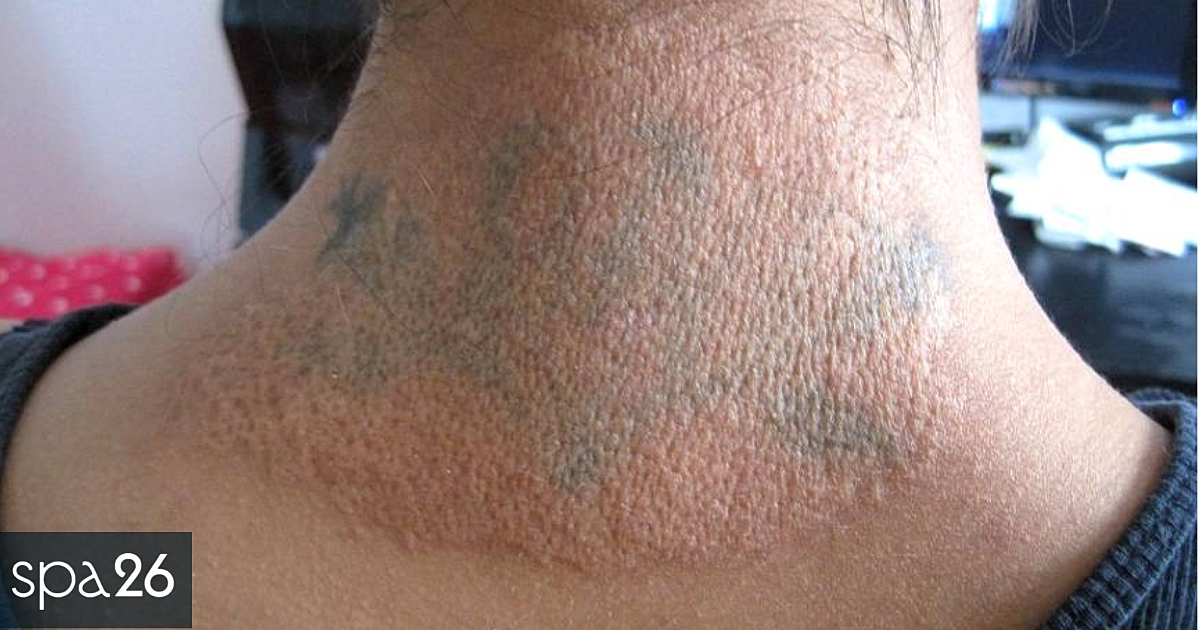
After a laser tattoo removal, it’s normal to notice redness, swelling, sensitivity and mild blistering in the treated area. What’s not normal is the occurrence of intense pain, infection or symptoms that worsen as the day goes by.
Laser tattoo removal treatment doesn’t end when the specialist that is carrying out the procedure switches off the laser. The process continues at your home, with every removal aftercare process you ought to stick to. Your treated skin needs time, protection and proper handling to take shape.
Any step you take after the removal process will either cause you to have a clean and swift fade or slow your healing process. So, you should be gentle with your healing skin, follow the removal aftercare steps and be alert to notify a technician or dermatologist once you notice any different symptoms.
Spa26 is your go-to clinic for laser tattoo removal. Every procedure is handled our team of experts who use the industry-leading PicoSure technology for faster fading and fewer complications. Besides getting your tattoo removed, our goal is to preserve the health and beauty of your skin while doing it. Schedule a consultation now. Let’s get you the best results you deserve without compromising your skin health.
No, you shouldn’t use makeup to cover the treated area of your skin. Makeup should be used only when the skin is fully healed. Applying the products too soon tends to trap bacteria, delay healing, or cause irritation.
You can shower on the same day of your laser tattoo removal treatment. However, while doing this, avoid hot water and high-pressure spray on the area. You should make use of lukewarm water, mild soap, and gently pat dry without scrubbing.
Complete healing after all the tattoo removal sessions takes about 6-8 weeks. Also, depending on the tattoo’s location and your immune system, it takes over 7-14 days for all the responses due to the treatment to subside.
You should keep the treated area covered for the first 24 to 72 hours, which is over three days to reduce infection risk. Once you’ve reached three days, you have the liberty to decide to switch to breathable clothing and avoid friction to support clean healing.
Don’t take part in any action that wont allow your skin heal without any form of disruption. Generally, you should clean the area gently with mild soap, apply a thin layer of fragrance-free ointment, and avoid sun exposure, hot tubs, and exercise.



Sheila Nazarian is the founder and operator of Spa26. Dr. Nazarian’s Spa26 patients benefit from her numerous qualifications. She has years of training and expertise as a board-certified plastic surgeon. She graduated from Columbia University, where she concentrated in pre-med. She studied medicine and earned her doctor of medicine degree at Albert Einstein College of Medicine at Yeshiva University.

Spa26 offers luxury skincare, anti-aging treatments, and wellness services. Consult with our experienced team at (310) 683-7537.