 How To Maintain Your Skin In Between Cosmetic Procedures
Dec 22, 2022
Once you undertake a cosmetic procedure, you will want to adopt proper skincare techniques to attain optimal results. Several cosmetic procedures are carried out to eliminate skin defects caused by aging, accidents, and weight gain or loss. Medical professionals have agreed that proper at-home skin care habits produce optimal effects after cosmetic procedures. Taking special care of your skin ensures fast recovery and improves skin health and appearance. This article will discuss the essential facts about proper skin care between different cosmetic procedures.
Your skin is the largest body organ! Ensuring it is healthy and safe is essential, especially after cosmetic treatments.
The consequences of cosmetic treatments vary based on the procedure. Nonsurgical therapies tend to have minimal side effects, little to no downtime and tend to have a positive impact on skin health.
Face and Body Contouring devices and treatments have side effects, including temporary redness, tenderness, bruising and minimal swelling. These minimal side effects may persist for up to several days or last just a few hours before disappearing on their own.
Cosmetic injectables are mainly used to enhance hydration, increase volume, and reduce wrinkles and lines on the face. Safe use of injectables calls for an experienced injector due to potential complications that may arise with the misuse of injectables. Some popular injectable treatments include:
Botox® injections prevent signals that allow muscle contraction to reach the nerve endings. These injections mostly relax muscles around the face to avert wrinkles near the eyes and on the forehead. Mild risks include:
Dermal filler injections increase volume and hydration while smoothing lines and wrinkles on your face. The optimal results of this renowned procedure last months to years, with their manifestation being immediate. The risks involved include:
Non-surgical Rhinoplasty (Liquid Rhinoplasty) involves a filler ingredient injection underneath the skin to temporarily alter the nose structure. Hyaluronic acid is used explicitly for this procedure. There are a few side effects to this procedure. Most people have experienced the following:
Laser treatments effectively treat various skin conditions such as acne, unwanted tattoos, wrinkles, and scars. Laser treatments and resurfacing improve skin texture and tone to deliver a firmer and smoother complexion. The minimal potential risks for your skin include:
Nonsurgical skin tightening and rejuvenation procedures enhance the appearance of your face, stomach, thighs, neck, and arms. Examples of skin tightening and rejuvenation treatments include:
The treatments are less invasive than their surgical alternatives, such as the tummy tuck or a facelift. The risks and complications are also fewer than those associated with surgical options. The side effects of these treatments are mild to moderate and may include the following:
Since 2019, Plastic surgeons, including our own Sheila Nazarian MD, have performed over 18.5 million cosmetic procedures and more than six million reconstructive procedures. Popular surgical cosmetic procedures include nose jobs, liposuction, and breast augmentations. Like other procedures and treatments, surgical procedures can leave your skin vulnerable. Some potential effects of surgical procedures include:
Besides contemplating the positive results of aesthetic procedures, clients must consider the inevitable concerns with skin vulnerability and treatment recovery. But no need to worry; these effects often subside on their own, but utilizing a proper post-procedure skin routine will help alleviate these common side effects more rapidly.
Bruising and swelling are common in the days (or weeks) that follow cosmetic procedures. Bruises typically last no longer than ten days but may extend to three weeks. Cosmetic surgeries will constitute a type of trauma even with the most skillful hands of a plastic surgeon. Even nonsurgical treatments such as injectables or certain rejuvenation techniques can cause slight bruising. A great provider will recommend specific products to help alleviate post-treatment bruising and expedite healing. Gentle massage can additionally help subside the pain associated with bruising.
Scarring is a common concern among patients who look forward to surgical procedures. Plastic surgery typically involves cuts and incisions on the skin and will promote visible scars. However, highly skilled plastic surgeons often utilize techniques to hide or reduce post-treatment scarring. Some people may experience delayed healing or scar problems due to:
We recommend sustainable scar reduction procedures for our patients. At-home therapy techniques are also very effective following a successful cosmetic surgery. An excellent example is scar massage. You will want to frequently, persistently, and vigorously massage the scar area during the second phase of wound healing. During this phase, the scar tissue is immature. With continuous massage, you can avert permanent scarring of the skin tissue.
Swelling is a common post-treat discomfort for surgical and nonsurgical procedures and a typical bodily response to injury. Aesthetic surgeries may be elective, but the body still perceives incisions and other procedures as injuries. Good physical health is the first line of defense before any procedure. Mitigating risks begin before facing the knife. Experts will perform per-op tests to check your suitability for surgical or nonsurgical treatments. Your provider may also recommend taking supplements, such as Arnica, to prepare your body for treatment and promote an easy recovery. We encourage our clients to take specific vitamins (A and C) and anti-inflammatory diets of fruits, veggies, fresh herbs, spices, plant-based fats, and proteins. Other post-surgery methods to avert and manage swelling include:
Hyperpigmentation in the medical field refers to darker skin patches resulting from excessive melanin production. The leading causes of hyperpigmentation are:
Technical errors also can trigger Post-Inflammatory Hyperpigmentation (PIHP). Prolonged exposure during chemical peels or excess concentration and too much threshold fluences in laser treatments are error instances that promote hyperpigmentation. Your treatment provider will examine your skin and medical history for hyperpigmentation treatment to ascertain the leading cause of this condition. Once the cause is known, the expert will prescribe an ideal remedy to treat the problem. Popular Hyperpigmentation treatments include the following:
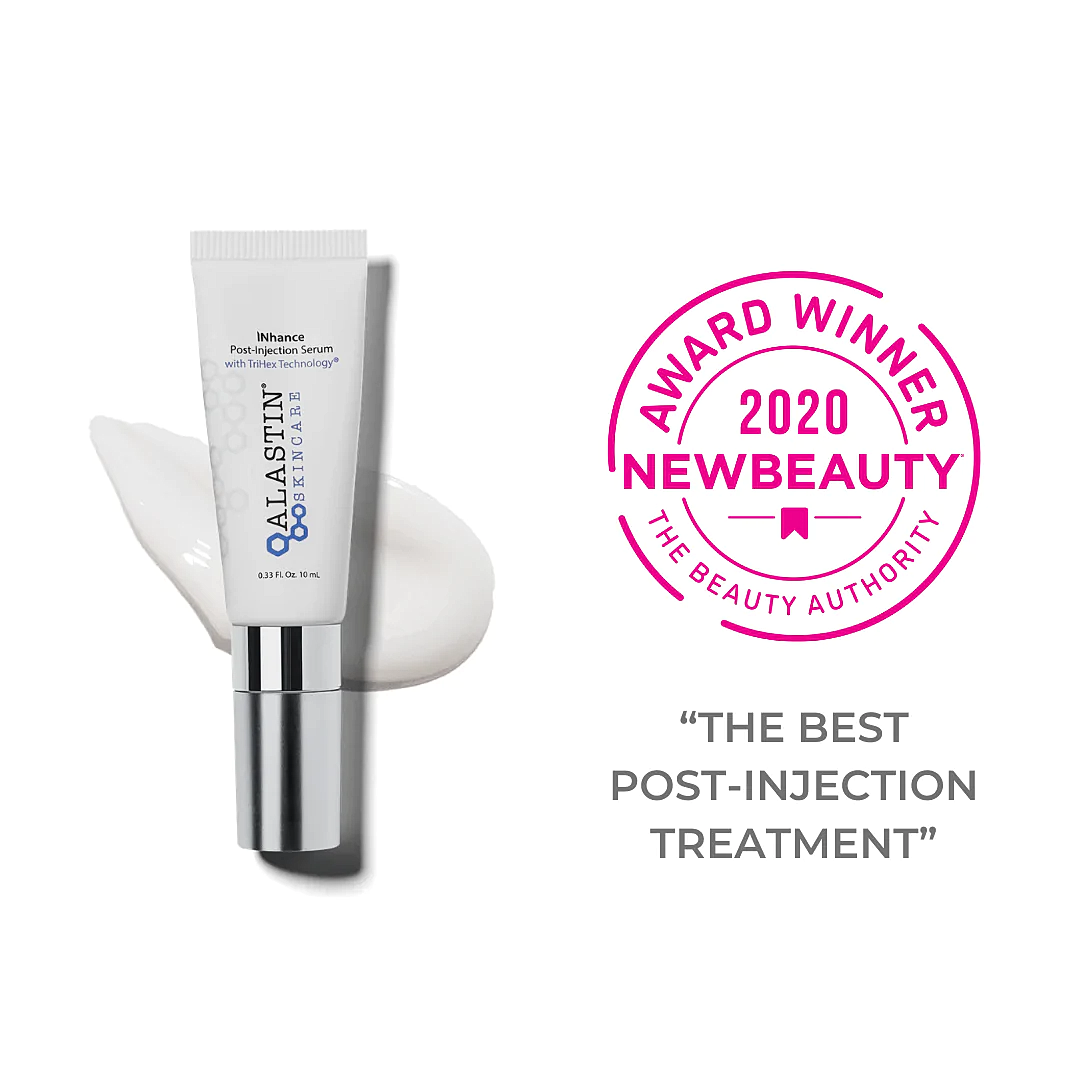 Alastin INHance Post-Injection Serum after Dermal Filler Injections
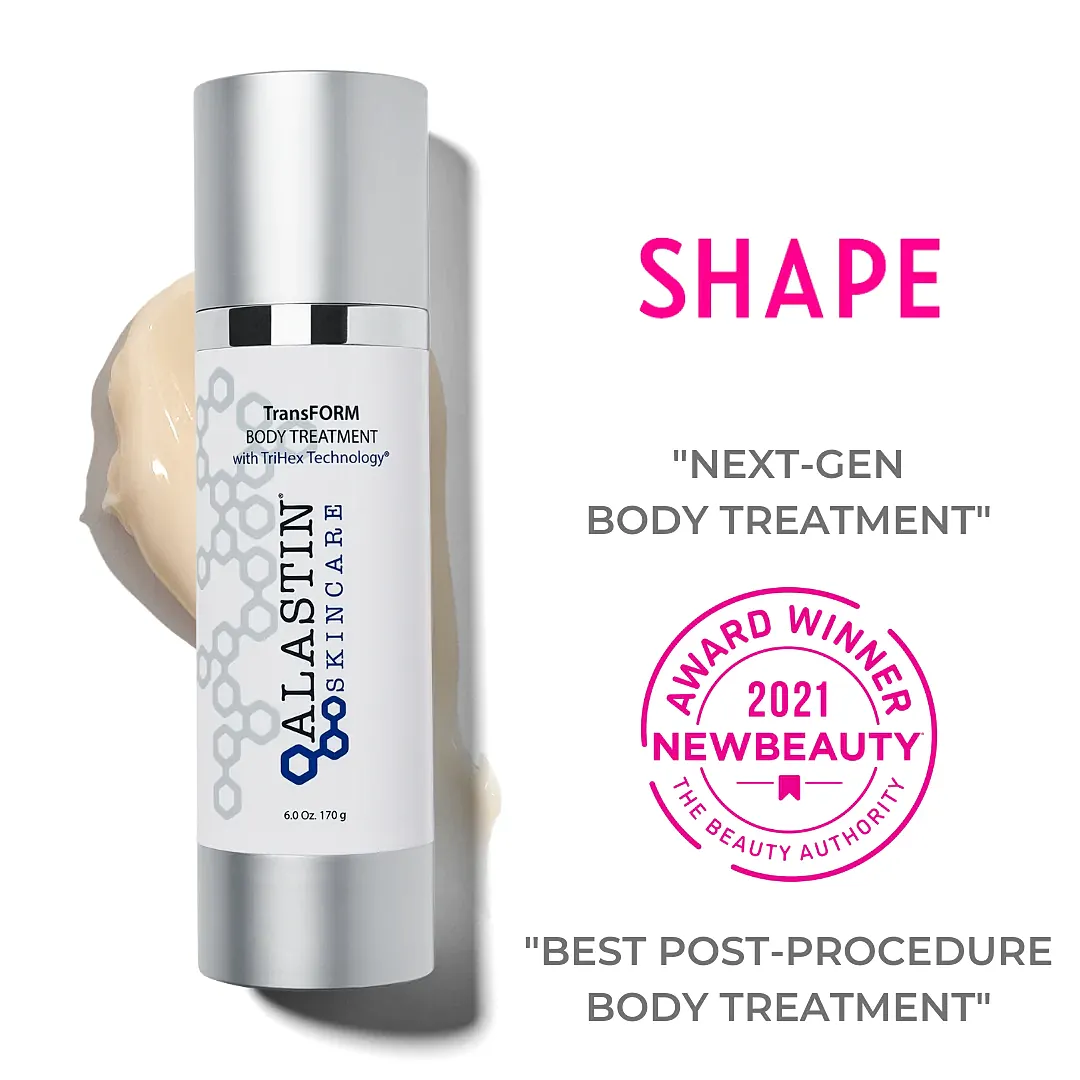 Alastin TransFORM Body Serum after Non-Surgical Body Contouring Treatments
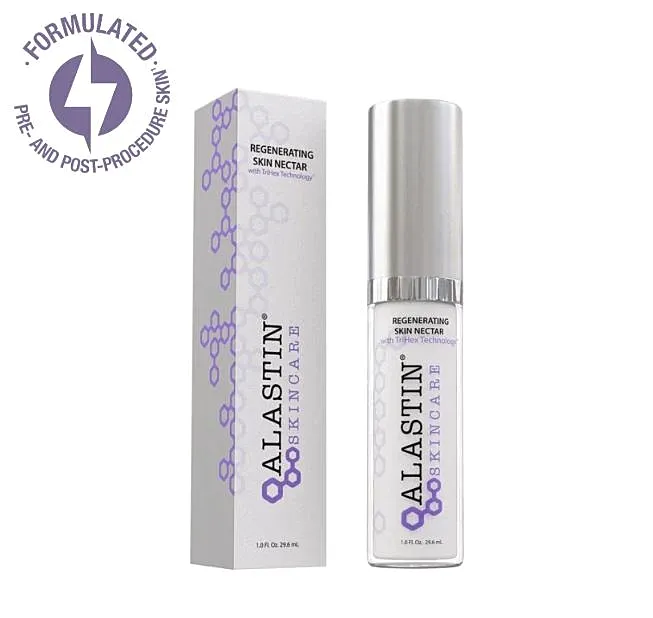 Alastin Regenerating Skin Nectar after Skin Rejuvenation Treatments
Alastin restorative elixir evokes a bright and youth-like complexion after skin-rejuvenating procedures. This magic portion strengthens the skin before cosmetic treatments and relaxes it during healing.
You may need more than top-notch skin care products to have your perfect skin. A proper daily regimen must be adopted and maintained to complement the skincare products. Find out more below.
“The skin is a protective barrier from bacteria invasion and other environmental hazards that pose dangers to human health,” say experts at Spa26. They add that you should maintain proper skin health and observe the following:
After plastic surgery, you should:
Ensure you stay hydrated whether you underwent minor or major surgery. Drink six to eight glasses of water daily to prompt skin rejuvenation and flushing of toxins.
A healthy diet, avoiding sugar, and drinking plenty of water will work well in maintaining a facelift. You will also want to wear the right sunscreen and use appropriate skincare products to attain optimal results.
All these procedures are effective cosmetic treatments. However, the most effective treatment depends on your specific concerns.
The Brazilian Butt Lift has been rated as the riskiest cosmetic procedure.
The three surgical procedures that are known as the riskiest are:


Sheila Nazarian is the founder and operator of Spa26. Dr. Nazarian’s Spa26 patients benefit from her numerous qualifications. She has years of training and expertise as a board-certified plastic surgeon. She graduated from Columbia University, where she concentrated in pre-med. She studied medicine and earned her doctor of medicine degree at Albert Einstein College of Medicine at Yeshiva University.

Spa26 offers luxury skincare, anti-aging treatments, and wellness services. Consult with our experienced team at (310) 683-7537.