 AccuTite vs. FaceTite: Which Treatment Suits You?
Aug 23, 2025
In your search for a safe and effective skin tightening treatment, you may have heard of AccuTite and FaceTite. While both treatments are advanced and minimally invasive, deciding which one is best suited for you can be confusing. However, the major deciding factor should be whether you need subtle improvements in small, delicate areas or more dramatic contouring across larger areas.
Not sure which body contouring procedure is right for you? Our board certified specialists at Spa26 tailor every treatment plan to your unique needs and goals, removing any guesswork. Using only FDA-cleared technology, we deliver natural, long-lasting results with minimal downtime. Contact us today to schedule your personalized consultation.
In this post, we will break down the major differences between FaceTite and AccuTite, including how they work, the areas they target, what recovery looks like, and the results you can expect.
AccuTite is a radiofrequency-assisted lipolysis (RFAL) treatment designed to melt small pockets of unwanted fat while tightening loose skin at the same time. Using the handheld AccuTite device, your care provider will deliver controlled radiofrequency energy beneath your skin through a tiny probe. This triggers your body’s natural collagen production, resulting in firmer skin that can last up to a year.
Because of its precision, AccuTite is especially effective for small and delicate areas that are difficult to treat with other procedures. The biggest appeal of AccuTite is its minimally invasive approach. With just a small incision under local anesthesia, fat cells can be contoured and skin gently tightened without the need for a full surgical procedure. Most sessions take less than an hour, making it a convenient option for people with busy schedules.
You can expect to recover in about 3 to 5 days, and in this period, you might experience some mild swelling or bruising that will go away on its own. To get the best results after treatment, support your skin with a healthy diet, proper hydration, and consistent sun protection. Also, follow your provider’s instructions carefully.
Another procedure that works on the same principle of radiofrequency-assisted lipolysis is FaceTite, but the major difference is that it’s designed for larger areas of the face and neck. Just like AccuTite, it delivers controlled radiofrequency energy beneath the skin over broader regions for more youthful contours that can last up to five years.
FaceTite is especially effective for the full face, cheeks, jawline, and neck, making it a strong option for patients with moderate to severe skin laxity. One of its biggest advantages is the ability to provide more extensive tightening and contouring with minimal scarring, offering a less invasive alternative to surgical lifts.
The procedure usually takes 60 to 90 minutes, depending on how many areas are being treated, and it is performed under local anesthesia for comfort. Recovery is slightly longer than with AccuTite, typically 5 to 7 days. Aftercare may involve wearing a compression garment, avoiding strenuous activity, and following your provider’s skin-care instructions to ensure smooth healing. With the right guidance, FaceTite can deliver natural results that last for several years.
While both AccuTite and FaceTite rely on the same advanced RFAL technology, the main difference lies in the treatment size and goals. Choosing between the two depends on your level of skin laxity, the areas you want to treat, and the kind of results you’re hoping to achieve.
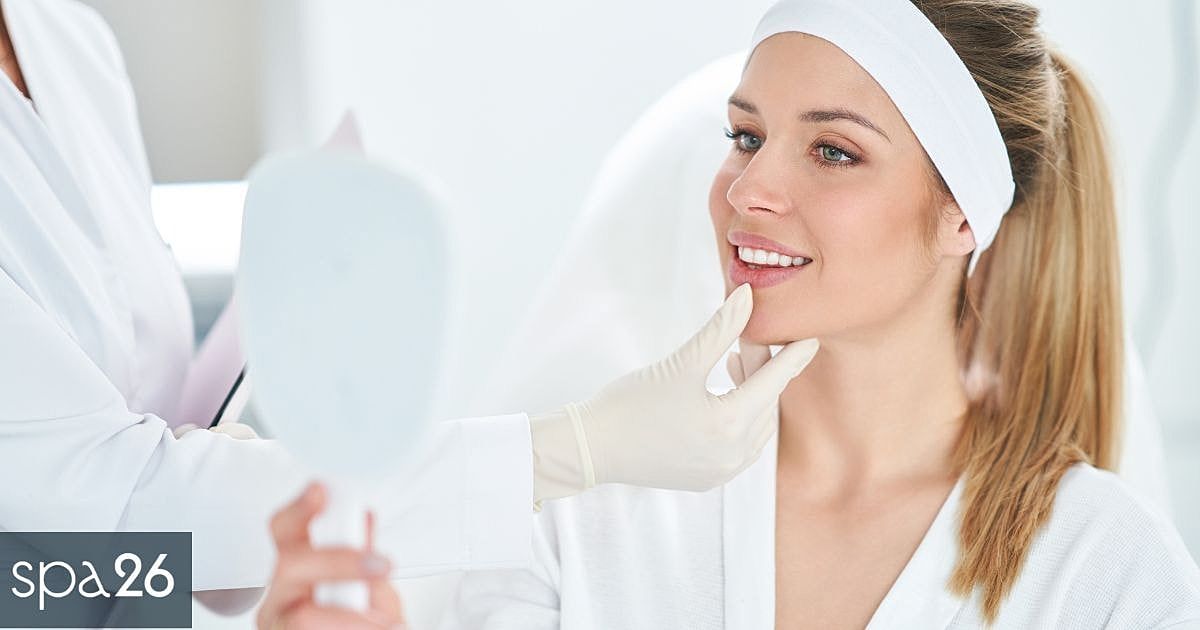
AccuTite is best for small, delicate areas where precision is key, while FaceTite is designed for larger zones that need broader contouring and tightening.
AccuTite Treatment
FaceTite Treatment
Both treatments are designed to melt fat cells and tighten loose skin using controlled radiofrequency energy. However, the degree of change depends on which option you choose and the areas being treated.
AccuTite provides minor fat removal with very precise skin tightening. It’s the ideal treatment for patients who want refinement in small, delicate areas, such as their undereyes. FaceTite, on the other hand, delivers moderate fat removal and more extensive tightening across larger areas. Because this treatment can target areas such as the jawline, the results tend to be more noticeable.
The recovery period for AccuTite is generally 3 to 5 days, with mild swelling or bruising that usually subsides within the first week. Most patients can return to daily activities almost immediately, with makeup used to cover any temporary redness.
On the other hand, FaceTite involves treating larger areas, which can result in a longer recovery time. Expect 5 to 10 days of downtime after undergoing FaceTite, with swelling, bruising, and mild tenderness being most noticeable in the first week. These effects continue to improve steadily, and most people feel comfortable resuming social or professional activities after about a week.
When it comes to cost, AccuTite is generally the more affordable option, since it’s designed for smaller, more precise areas. Treatment cost for AccuTite typically ranges from $1,200 to $9,000. FaceTite, on the other hand, is priced higher because it targets larger regions of the face and neck and delivers more extensive results. Most patients can expect costs in the range of $2,500 to $10,000 for FaceTite.
If you have mild to moderate skin laxity in smaller, more delicate areas, AccuTite may be the right fit for you. This could mean early sagging under your eyes, softening along your nasolabial folds, the beginnings of jowling, or a little looseness in your lower neck. You might also be a good match if you’re bothered by small pockets of stubborn fat that don’t seem to respond to diet and exercise, but you’re not ready for a surgical procedure.
For someone dealing with moderate to more severe laxity across larger areas of your face and neck, FaceTite is likely to suit you better. FaceTite can also help if you have larger pockets of excess fat that add weight to your facial appearance. If you want more dramatic results without committing to a surgical facelift, FaceTite can be that ideal middle ground between nonsurgical treatments and surgery.
With the right provider and realistic expectations, both treatments can help you achieve firmer skin and a more youthful appearance that lasts for years. Most patients see some changes immediately after their treatment, but the full results develop over three to six months.
Both treatments deliver outcomes that typically last more than a year when supported by proper care and follow-up appointments. However, it’s important to keep realistic expectations in mind. Neither treatment replaces a surgical facelift, but both offer noticeable results with far less downtime than surgery.
AccuTite is ideal for subtle refinements with minimal recovery, while FaceTite creates broader changes with a slightly longer healing phase. In some cases, providers recommend combining the two for a twofold effect, resulting in the most balanced, natural outcome.
In summary, AccuTite is best for subtle, targeted improvements, while FaceTite delivers broader, more dramatic results.
Like any cosmetic procedure, both FaceTite and AccuTite treatments come with some side effects. Fortunately, most of these side effects are temporary, mild, and typically resolve on their own or with simple over-the-counter medication.
Swelling, bruising, soreness, redness, itchiness, and minor numbness are the most common responses after either procedure. These usually last only a few days to a couple of weeks, depending on the treated area and your body’s natural healing process. Usually, all it takes is some rest and basic anti-inflammatory medicine, if needed, to get past this phase.
Complications are possible but avoidable when treatments are performed with FDA-approved devices by an experienced provider. Issues such as infections, burns, prolonged nerve sensitivity, and nerve damage have been reported but remain extremely rare. In most cases, these complications are linked to improper technique or lack of post-treatment care, which is why it’s important to choose a skilled professional and follow all aftercare instructions.
While the side effects for both treatments are similar, FaceTite can sometimes feel slightly more intense than AccuTite since it targets larger areas. Even so, the risks remain low, and most patients find that the recovery is manageable. Patients can minimize risks by carefully following pre-procedure guidelines, attending follow-up appointments, and promptly reporting any unusual symptoms to their provider.
Feature | Accutite | Facetite |
|---|---|---|
| Treatment Areas | Small, precise areas: eyes, jowls, neck | Larger areas: full face, jawline, cheeks, neck |
| Purpose | Skin tightening, minor fat reduction | Skin tightening, moderate fat reduction, contouring larger areas |
| Invasiveness | Minimally invasive | Minimally invasive, slightly more extensive due to larger areas |
| Procedure Time | 20–60 minutes (depending on area) | 60–90 minutes (depending on area) |
| Recovery Time | 3 to 5 days, minimal swelling/bruising | 5 to 10 days, some swelling/bruising expected |
| Results | Subtle, precise lifting | More noticeable contouring and lifting across larger areas |
| Ideal Candidates | Mild to moderate skin laxity in small areas | Moderate to severe skin laxity across the face and neck |
| Cost | Lower per small area | Higher due to larger treatment areas |
| Side Effects | Swelling, bruising, and temporary numbness | Swelling, bruising, and temporary numbness |
Both treatments are performed under a local anesthetic, require only a small incision, and are considered nonsurgical treatments with quicker recovery compared to a traditional surgical procedure. Choosing between Facetite and AccuTite often depends on your goals, concerns, and the advice of your provider.
Ideally, your care provider should be the one to advise you on which procedure better suits your needs. However, this doesn’t eliminate the need for you to understand the specifics of both procedures enough to make a decision on your own.
First, consider the area you want to treat. AccuTite treatment is best suited for smaller, delicate facial areas such as under the eyes, along the nasolabial folds, or around the mouth. FaceTite procedures, on the other hand, are better for larger areas like the jawline, jowls, or even the upper arms.
The next thing to consider is your level of skin laxity or the volume of fat you’re targeting. Cases of mild sagging and minimal excess fat can be treated with AccuTite, whereas more severe cases often call for FaceTite.
It also helps to think about your long-term goals. If you’re looking for subtle refinement and quick recovery, AccuTite may be enough. But if your priority is a more dramatic transformation, FaceTite is usually the more effective choice. In some situations, your provider may even suggest a combination of both to achieve the most natural, balanced results.
Ultimately, your decision should be based on your individual concerns, goals, and body type. A consultation with a qualified provider will help create a treatment plan that’s just right for you.
In some cases, your provider may recommend combining both treatments. This allows for a twofold effect, addressing both larger areas of laxity and smaller, delicate zones in one treatment plan.
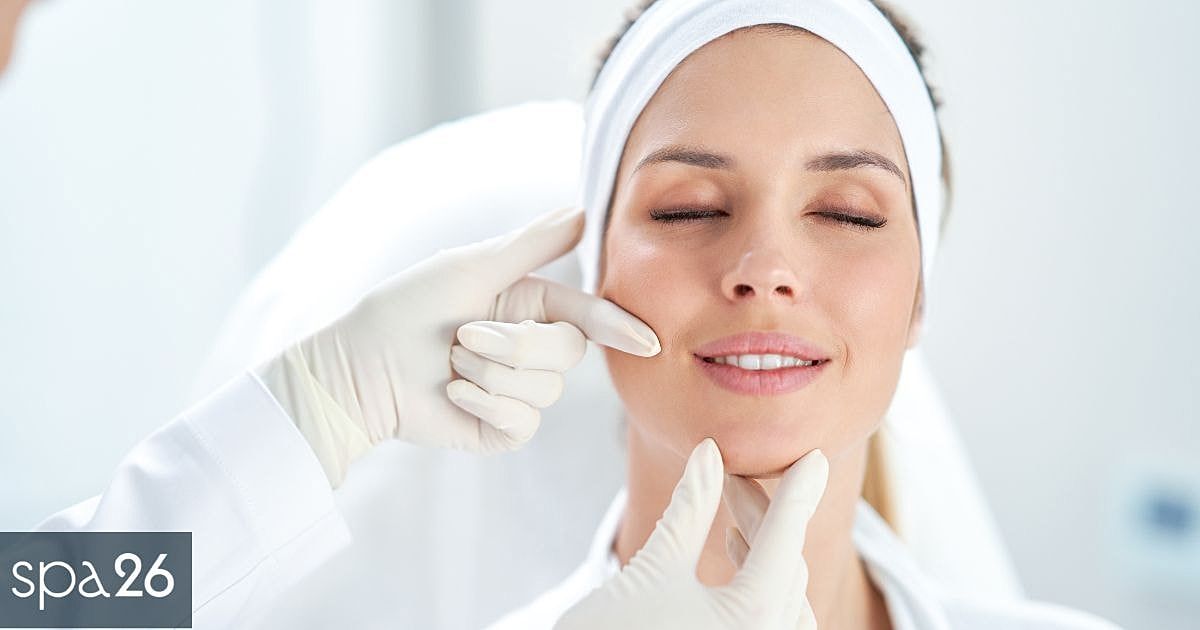
The first step to enjoying a safe and effective treatment is to verify your provider’s experience. Ask about their experience in using RF energy to contour fat and whether they can show before-and-after photos of clients they’ve worked on.
Also, make sure that your provider only uses authentic FDA-approved devices such as the AccuTite device and FaceTite device. A reliable professional will guide you through every stage of the process. This includes taking the time to explain whether you are a suitable candidate, outlining realistic expectations, and scheduling follow-up appointments to monitor your progress.
With a qualified provider, your results can last up to five years, giving you long-lasting improvements in facial appearance and confidence.
You may have noticed early signs of aging, or maybe you’re dealing with severe skin laxity. Fortunately, both AccuTite and FaceTite procedures offer a safe and effective way to restore your youthful appearance. Both treatments contour fat, smooth the skin’s surface, and provide long-lasting, natural results without the downtime of surgery.
Ultimately, the best way to achieve optimal results is by consulting with a qualified provider who can recommend the right approach for your unique needs. Stop by the best medspa clinics in Los Angeles, where our expert specialists tailor every treatment plan with your goals in mind. Contact us today to take the first step toward a smoother, firmer, and more confident you.
To help you feel confident in your decision, we’ve answered some of the most common questions patients ask about AccuTite and FaceTite, from recovery times to results and safety.
With proper care and follow-up appointments, the outcome can last up to five years, making it one of the most effective treatments among non-surgical treatments available today.
Both procedures are largely similar, but the main difference is that FaceTite is used for larger facial areas, such as the jawline, while AccuTite targets smaller areas like the nasolabial folds.
On average, the cost of FaceTite ranges from $2,500 to $10,000. The price varies depending on the treatment area, provider expertise, and whether it’s combined with other procedures.
FaceTite is a minimally invasive contouring procedure that uses radiofrequency-assisted lipolysis (RFAL) to tighten skin and reduce fat in larger areas of the face and neck. Think of it as a mini facelift. Using the handheld FaceTite device, your caregiver will deliver controlled heat beneath the skin to stimulate collagen production.
Yes, it is. Most patients see significant improvement immediately after treatment, with results continuing to develop as natural collagen production increases over several months.
No, it does not. FaceTite is performed under a local anesthetic, so discomfort during the procedure is minimal. Some patients may experience mild swelling or tenderness after the procedure, but these typically resolve within days.




Sheila Nazarian is the founder and operator of Spa26. Dr. Nazarian’s Spa26 patients benefit from her numerous qualifications. She has years of training and expertise as a board-certified plastic surgeon. She graduated from Columbia University, where she concentrated in pre-med. She studied medicine and earned her doctor of medicine degree at Albert Einstein College of Medicine at Yeshiva University.

Spa26 offers luxury skincare, anti-aging treatments, and wellness services. Consult with our experienced team at (310) 683-7537.